



Introduction to Natural Personal Care
The growing awareness of personal health and environmental sustainability has led to a significant shift towards natural personal care products. Natural personal care emphasizes the use of ingredients sourced from nature, minimizing the use of synthetic chemicals, and promoting an eco-friendly lifestyle. This approach benefits not only individual health but also contributes to the preservation of our planet’s ecosystems.
Utilizing natural products can lead to a healthier skin and body by avoiding harmful substances that are often found in conventional personal care items. For instance, many commercial products contain artificial fragrances, preservatives, and parabens, which can irritate the skin or lead to long-term health issues. In contrast, natural alternatives, such as essential oils, herbal extracts, and organic ingredients, are gentler and often more effective at nourishing and healing the skin.
Moreover, natural personal care routines often result in a more sustainable impact on the environment. Many natural brands are committed to ethical sourcing, biodegradable packaging, and cruelty-free practices, allowing consumers to make choices that are aligned with their values. By opting for products that are not only good for personal health but also for the Earth, individuals can take a step towards reducing their ecological footprint.
As society becomes increasingly health-conscious, the transition to natural personal care is not merely a trend but rather a fundamental shift in how we approach daily rituals. Embracing natural personal care can lead to enhanced well-being, improved skin health, and a more meaningful connection to the environment. Understanding these advantages encourages individuals to consider integrating natural practices into their routines.
Understanding Your Skin Type

Recognizing your skin type is fundamental to establishing an effective personal care routine. Skin can generally be categorized into four main types: oily, dry, combination, and sensitive. Each type presents unique characteristics and requires tailored care to ensure optimal health and appearance.
Oily skin often exhibits a shiny appearance and is prone to breakouts. This is due to the excess sebum production from the sebaceous glands. Identifying oily skin involves checking for enlarged pores and a noticeable shine, particularly in the T-zone, which includes the forehead, nose, and chin. Care for oily skin typically focuses on balancing oil levels with the use of lightweight and non-comedogenic products.
On the other hand, dry skin tends to feel tight and may show signs of flakiness or redness. This type may require regular hydration through moisturizing creams and serums that lock in moisture. To determine if you have dry skin, observe if you experience discomfort or cracking, particularly after cleansing.
Combination skin features characteristics of both oily and dry skin, often manifesting as an oily T-zone and dry patches elsewhere. Identifying this skin type is pertinent to selecting products that target specific areas effectively, helping to balance overall skin health.
Sensitive skin may react adversely to various products, resulting in redness or irritation. Individuals with sensitive skin should be vigilant in selecting gentler, hypoallergenic options to mitigate adverse reactions.
Determining your skin type involves observing its behavior under different conditions, as well as how products react with your skin. Incorporating this knowledge into your daily personal care routine will empower you to make informed decisions, enabling the use of suitable products that promote healthy, radiant skin.
Choosing Natural Ingredients
In the quest for maintaining a clean and healthy daily routine, one of the most effective strategies is to choose personal care products that are formulated with natural ingredients. These components frequently provide benefits that synthetic alternatives cannot match. Natural ingredients typically present fewer health risks and offer a gentler effect on the skin and the environment.
Key ingredients to consider include aloe vera, known for its soothing and moisturizing properties. Its high water content helps hydrate the skin while promoting healing. Another noteworthy component is coconut oil, which acts as a natural moisturizer and has antibacterial properties, making it ideal for use in various personal care products. Shea butter is also a valuable ingredient due to its rich fatty acid content, which deeply nourishes the skin and promotes elasticity.
When opting for natural personal care products, it is vital to understand which synthetic ingredients should be avoided. Common substances such as parabens, often found in preservatives, have been scrutinized for their potential hormonal effects. Similarly, sulfates, which are harsh cleansing agents, can strip away natural oils from the skin and hair, leading to dryness and irritation. Phthalates are another group of chemicals frequently used in fragrances, which have raised concerns due to their links to various health issues.
By focusing on products that highlight natural ingredients and avoiding harmful synthetic alternatives, individuals can significantly enhance their personal care routines. These choices not only foster healthier skin but also contribute to an overall sense of well-being. The emphasis on natural formulations aligns with growing consumer awareness regarding the importance of clean living, making it a progressive step towards sustainability and personal health.
Homemade Cleaners and Scrubs
In the pursuit of a clean and healthy daily routine, many individuals are turning towards homemade cleaners and scrubs crafted from natural ingredients readily available in their kitchens. These recipes not only provide an eco-friendly alternative to commercial products but also offer a cost-effective approach to personal care.
One of the simplest yet effective homemade cleaners is the mixture of vinegar and water. By combining equal parts of these two ingredients in a spray bottle, you create a versatile cleaner that can effectively tackle surfaces in kitchens and bathrooms. The acetic acid present in vinegar acts as a powerful disinfectant, while its natural deodorizing properties help eliminate odors.
Another popular recipe involves baking soda, known for its mild abrasive properties and ability to neutralize odors. To create a basic scrub, mix baking soda with a small amount of water to form a paste. This scrub is perfect for removing tough stains and grime, particularly in sinks and on countertops. For added fragrance and antibacterial properties, a few drops of essential oil, such as tea tree or lavender, can be incorporated into the mixture.
Citrus peels, particularly lemon, can also be utilized for their natural cleaning properties. Scrubbing surfaces with half a lemon can enhance shine while leaving a fresh scent. Additionally, creating a citrus-infused vinegar cleaner by steeping lemon peels in vinegar for two weeks yields a powerful, naturally scented all-purpose cleaner.
By opting for these homemade solutions, individuals reduce their exposure to harmful chemicals often found in commercial cleaning products. Furthermore, these natural mixtures are biodegradable and environmentally safe. Ultimately, making homemade cleaners and scrubs allows for a personalized approach to cleanliness and well-being, fostering healthier living practices in a sustainable manner.
Hydration: The Key to Healthy Skin
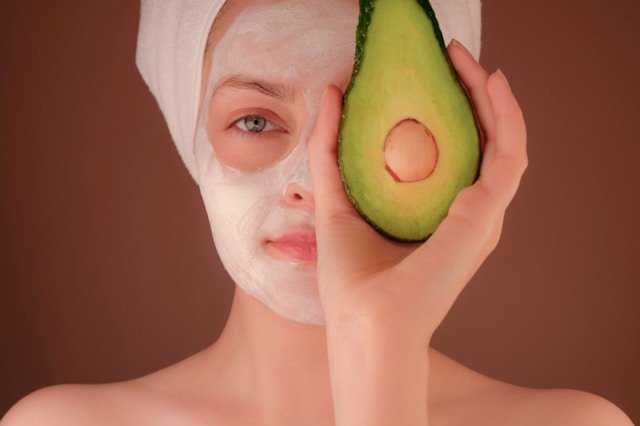
Maintaining proper hydration is essential for achieving and preserving healthy skin. Water plays a pivotal role in cellular function, aiding in the removal of toxins and supporting skin vitality. When your body is well-hydrated, your skin tends to look more radiant and supple. Conversely, dehydration can lead to dry skin, fine lines, and a dull complexion. Therefore, prioritizing adequate hydration should be a fundamental aspect of any personal care routine.
The recommended daily water intake can vary depending on individual factors such as age, activity level, and overall health. However, a general guideline suggests approximately 2 to 3 liters per day for adults. This can be achieved by drinking plain water, herbal teas, or other natural beverages. Additionally, incorporating hydrating foods into your diet can significantly contribute to your overall fluid intake. Fruits and vegetables such as cucumbers, watermelon, oranges, and strawberries are not only rich in water content but also provide vitamins and antioxidants necessary for skin health.
Furthermore, maintaining a consistent schedule for hydration can be beneficial. Setting reminders to drink water regularly or carrying a reusable water bottle can serve as effective strategies to stay mindful of your liquid intake throughout the day. It is also important to consume electrolytes through beverages or foods if you engage in intensive exercise or live in hot climates, as they help retain fluid balance in your body.
In conclusion, prioritizing hydration is vital for achieving healthy skin. Focusing on both water intake and hydrating foods can significantly enhance your skin’s appearance and overall well-being, forming a solid foundation for your personal care routine.
Daily Routines for Skin Care
Maintaining a skincare routine is essential for achieving healthy and radiant skin. Incorporating natural products into your daily regimen can yield wonderful results while minimizing the risk of irritation from synthetic ingredients. The key to achieving optimal skin health is consistency in cleansing, moisturizing, and protection. Below, we outline effective morning and evening skincare routines using natural products.
Morning Routine:
Begin your day with a gentle cleanser suitable for your skin type. Look for natural ingredients such as honey or aloe vera, which cleanse without stripping the skin’s natural oils. After cleansing, apply a toner made from witch hazel or rose water; these natural toners help balance the skin’s pH and minimize the appearance of pores. Once toned, indulge your skin with a lightweight moisturizer containing natural oils like jojoba or argan oil, providing hydration without a greasy finish.
The final step in your morning routine should be the application of sunscreen, crucial for protecting your skin from harmful UV rays. Choose a natural sunscreen with mineral ingredients like zinc oxide, known for being gentle on the skin and effective in providing appropriate sun protection.
Evening Routine:
Your evening skincare routine should focus on repairing and rejuvenating your skin. Begin again with a gentle cleanse to remove makeup, dirt, and impurities accumulated throughout the day. A natural oil cleanser or micellar water can effectively remove makeup while pampering the skin. Follow with a toner similar to your morning routine. This aids in preparing your skin for the next steps.
After toning, it is beneficial to apply a richer moisturizer or facial serum containing natural extracts such as vitamin E or green tea. These ingredients work overnight to hydrate and rejuvenate the skin. Finally, consider using a natural eye cream to address concerns such as puffiness or dark circles, ensuring you wake up refreshed.
Incorporating these simple daily routines into your skincare regimen not only enhances the health of your skin but also nurtures a much-needed moment of self-care.
Mindful Practices for Overall Well-being
The connection between mind and body is crucial for achieving a holistic sense of well-being. Incorporating mindful practices into your daily routine not only enhances mental health but also complements a natural personal care routine. Techniques such as meditation, yoga, and purposeful breathing exercises can significantly contribute to enhancing one’s overall emotional and physical state.
Meditation is a powerful tool for achieving mental clarity and reducing stress. By engaging in regular meditation sessions, individuals can cultivate a sense of calm and enhance their emotional regulation. This practice encourages an inner focus, allowing the mind to become less reactive and more in tune with one’s thoughts and feelings. It can easily be integrated into a morning or evening personal care routine, serving as a moment of reflection and relaxation.
Yoga, another beneficial practice, not only strengthens the body but also fosters a deep connection between the mind and the physical self. Different styles of yoga can cater to various preferences, from gentle restorative yoga to more vigorous vinyasa flow sessions. This versatile practice encourages mindfulness through movement and breath, establishing a rhythm that nurtures both mental and physical health. Many people find that a consistent yoga practice enhances their body awareness, which is an essential component of any personal care regimen.
In addition to meditation and yoga, incorporating breathing exercises into daily activities can improve focus, reduce anxiety, and promote relaxation. Techniques such as deep abdominal breathing and the 4-7-8 method can be practiced anywhere, making them accessible tools for managing stress throughout the day. As these mindful practices are embraced, they will inevitably enhance not only your mental state but also the effectiveness of a natural personal care routine, leading to a healthier and more balanced life.
Addressing Common Skin Concerns Naturally
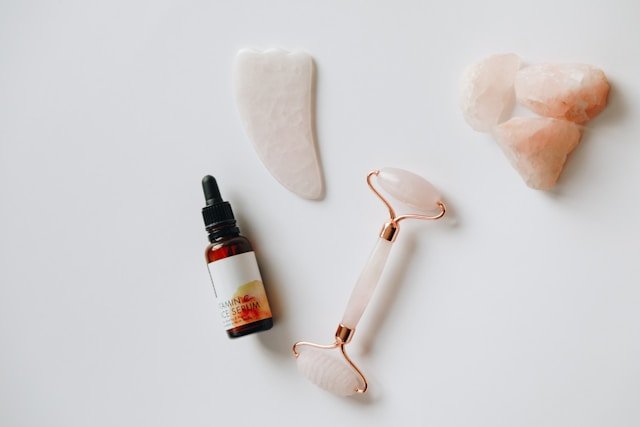
Many individuals experience a variety of skin concerns, including acne, dryness, and signs of aging. Fortunately, there are natural remedies and adjustments one can implement in their personal care routine to address these issues effectively.
When dealing with acne, one effective natural solution is the use of tea tree oil. Known for its antibacterial and anti-inflammatory properties, tea tree oil can help reduce the severity of breakouts while soothing the skin. It can be diluted with a carrier oil, such as coconut or jojoba oil, to ensure that it is gentle on the skin. Additionally, maintaining a consistent cleansing routine with natural ingredients like aloe vera can help keep pores clear and reduce future breakouts.
For those suffering from dryness, incorporating hydrating ingredients into your skin care routine is essential. Natural oils, such as almond oil or olive oil, can help to lock in moisture without introducing harsh chemicals. Regularly applying a homemade face mask made of honey and yogurt can also provide deep hydration while promoting skin cell turnover. Moreover, drinking adequate amounts of water daily cannot be underestimated in its role in maintaining hydrated skin.
As skin ages, it is imperative to adjust one’s routine to include natural antioxidants. Ingredients such as vitamin C from citrus fruits or rosemary extract can assist in minimizing the appearance of fine lines and wrinkles. Furthermore, regular use of gentle exfoliants, such as oatmeal or sugar scrubs, can help to remove dead skin cells, revealing a more youthful glow beneath.
In conclusion, adjusting your personal care routine to include natural remedies for common skin concerns can lead to healthier and more radiant skin. By being mindful of the ingredients you use and tailoring your routine to specific issues, you can enhance your skin’s overall appearance while maintaining a clean and healthy approach to personal care.
Conclusion and Call to Action
In conclusion, adopting natural personal care practices can significantly enhance your daily routine, promoting not only a clean and healthy lifestyle but also a deeper connection to the ingredients you use. The tips discussed in this article, from utilizing simple household items to selecting products with natural ingredients, empower you to make informed decisions about your personal care. By integrating practices such as DIY skincare and opting for eco-friendly solutions, you contribute to a more sustainable environment while caring for your body.
Transitioning to natural personal care does not have to be overwhelming. Start by implementing one or two strategies that resonate with you, gradually expanding into other areas. This incremental approach ensures that you feel comfortable and confident in making these changes. Remember, the path to a clean and healthy routine is a personal journey, and each small step counts toward a larger goal of well-being.
We encourage you to share your experiences as you begin or continue your journey into natural personal care. Have you tried any of the tips mentioned? Do you have questions or alternative suggestions to offer? Your insights can be invaluable to others looking to make similar lifestyle changes. Join the conversation by commenting below, and let us know how you prioritize your personal care naturally!
Disclaimer
The information provided on this website is for educational and informational purposes only and is not intended as medical advice, diagnosis, or treatment.
Always seek the advice of a qualified healthcare professional before making any changes to your diet, lifestyle, or health routine. Never disregard professional medical advice or delay seeking it because of something you have read on this website.
The content on this site may discuss natural remedies, detox methods, and alternative health approaches that are not universally accepted by the medical community. Individual results may vary.
By using this website, you acknowledge that you are responsible for your own health decisions.