Introduction
Herbal remedies have been used for centuries as part of traditional wellness practices across different cultures. Today, many people explore herbs as a natural way to support their daily routines and overall well-being.
This guide provides an overview of commonly used herbs, their general uses, and how they may be included as part of a balanced lifestyle. The focus is on safe, practical, and informational guidance for those interested in natural wellness approaches.
What Are Herbal Remedies?
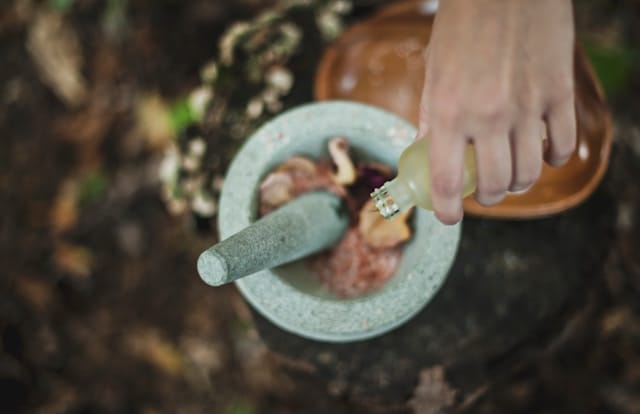
Herbal remedies refer to the use of plants or plant-based substances to support general health and wellness. These may include:
- Leaves (such as mint or basil)
- Roots (such as ginger or turmeric)
- Flowers (such as chamomile)
- Seeds and bark
Herbs are often consumed as teas, powders, extracts, or added to foods as part of everyday diets.
Popular Herbs and Their Traditional Uses
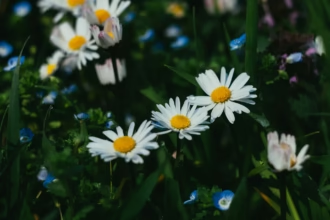
🌿 Chamomile
Commonly used as a tea, chamomile is traditionally associated with relaxation and calming routines, especially before bedtime.
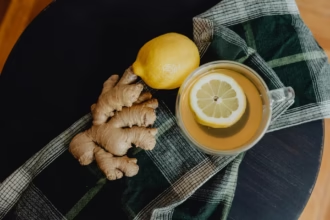
🌱 Ginger
Ginger is widely used in cooking and herbal preparations. It is often included in wellness routines related to digestion and general comfort.
🌿 Turmeric
Turmeric is a spice that contains natural compounds and is frequently used in cooking. It is commonly included in discussions around balanced nutrition and wellness.
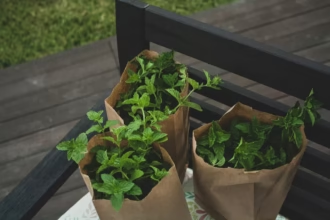
🌼 Peppermint
Peppermint is often used in teas and may be part of routines focused on freshness and digestive comfort.
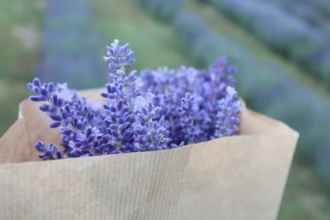
🌿 Lavender
Lavender is typically used in aromatherapy and relaxation practices. It may help create a calming environment.
How to Use Herbal Remedies Safely
When incorporating herbs into your routine, it is important to follow simple safety practices:
- Use herbs in moderate amounts
- Choose high-quality, reputable sources
- Follow recommended usage instructions
- Avoid mixing multiple herbs without proper knowledge
Herbs can be a part of a healthy lifestyle, but they should be used thoughtfully.
Herbal Teas and Daily Habits
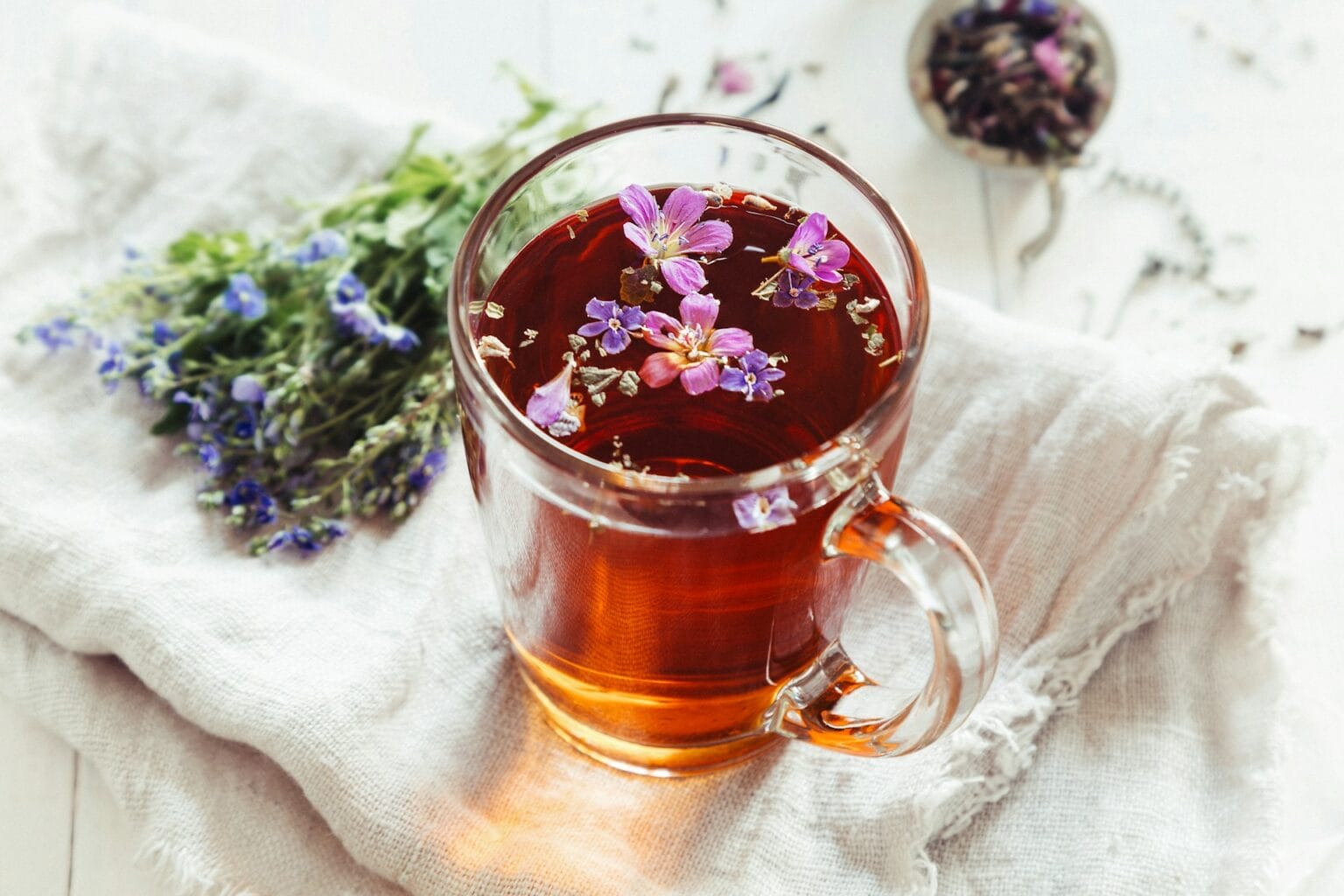
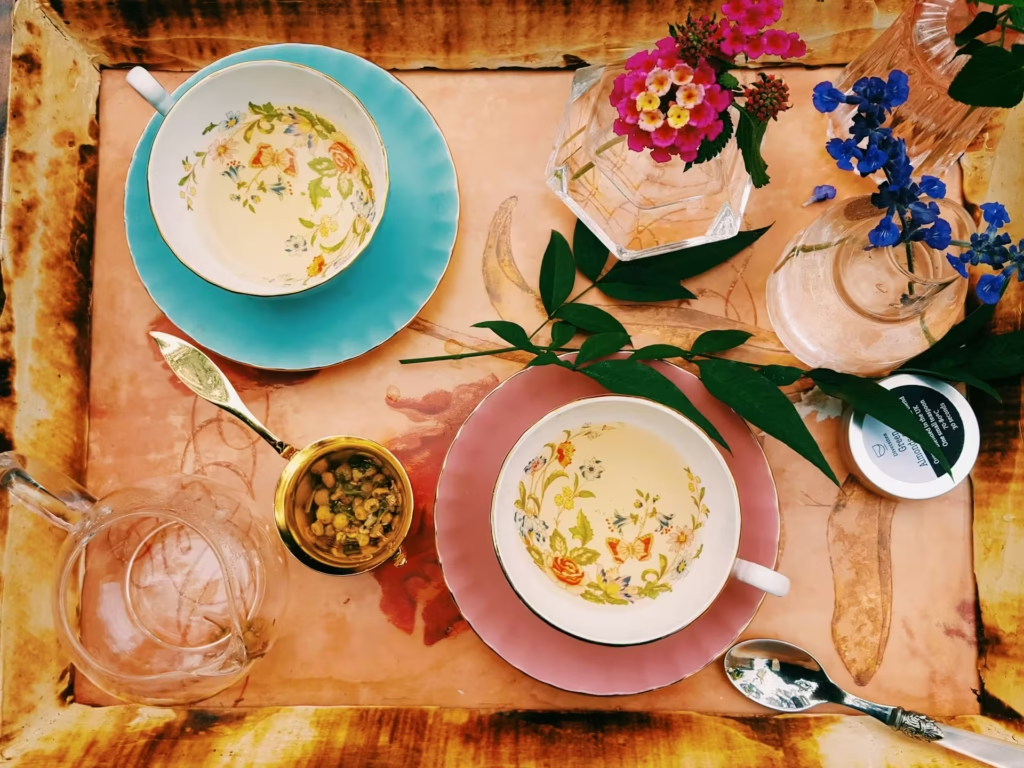
One of the easiest ways to include herbs in your routine is through herbal teas.
Examples:
- Chamomile tea in the evening
- Ginger tea after meals
- Peppermint tea for refreshment
These simple habits may support relaxation and comfort as part of your daily routine.
Important Considerations
While herbal remedies are widely used, it is important to remember:
- Not all herbs are suitable for everyone
- Effects may vary from person to person
- Some herbs may interact with medications
If you have any health concerns or are taking medication, it is best to consult a qualified professional before using herbal products.
Herbal Remedies and a Balanced Lifestyle
Herbal remedies are most effective when combined with:
- Balanced nutrition
- Regular physical activity
- Good sleep habits
- Stress management practices
They should be viewed as part of a broader approach to wellness rather than a replacement for professional care.
Conclusion
Herbal remedies offer a simple and traditional way to support everyday wellness. By understanding how herbs are commonly used and incorporating them carefully into your routine, you can explore natural approaches to maintaining balance in your daily life.
Start with small, practical steps and choose habits that fit your lifestyle for a more sustainable approach to wellness.
Sources & General References
- Educational materials on traditional herbal practices
- Publicly available information on plant-based nutrition and wellness
- General guidelines from health and wellness organizations
Disclaimer
This content is for informational purposes only and should not be considered medical advice. It is not intended to diagnose, treat, cure, or prevent any condition. Always consult a qualified healthcare professional before using herbal products, especially if you have existing health conditions or are taking medications.