
Introduction
The rhythm of modern life often pulls us toward quick fixes and synthetic solutions, but what if the tools for everyday balance were already growing in your garden or resting on your spice rack? For centuries, cultures around the world have turned to plants—not just as food, but as allies in maintaining wellness. From easing a sore throat to soothing an uneasy stomach, herbal remedies offer a gentle, time-tested way to support the body’s natural rhythms without overwhelming the system with harsh chemicals.
This guide isn’t about replacing professional care, but about understanding how to integrate these natural tools wisely into daily routines. Whether you’re curious about chamomile for sleep, ginger for digestion, or lavender for calm, this exploration begins with a simple truth: the earth provides, and wisdom lies in knowing how to listen.
Understanding Herbal Remedies: What They Are and How They Function
At their core, herbal remedies are preparations made from plants—roots, leaves, flowers, seeds, or bark—that are used to promote health and address minor ailments. Unlike pharmaceutical drugs, which often contain isolated chemicals designed for rapid, targeted action, herbal remedies work with the body’s complexity. The active compounds in plants—such as flavonoids, alkaloids, terpenes, and tannins—interact with biological systems in layered ways.
For instance, while a painkiller might block a single pain receptor, an herbal infusion like willow bark contains salicin, a compound the body converts into a mild anti-inflammatory agent that mimics aspirin’s effects but with gentler side effects for many users. This isn’t to say herbs are always milder—some can be potent—but their effects are generally more diffuse and integrated into the body’s natural processes.
How do these remedies work? The mechanisms vary widely depending on the plant. Some herbs act on the digestive tract, stimulating bile flow or soothing irritation. Others influence the nervous system, promoting relaxation or alertness. Certain plants support detoxification by enhancing liver function or kidney filtration. The key lies in synergy: the combination of compounds in a whole plant often produces effects that individual components might not achieve on their own.
This is why a tea made from fresh peppermint leaves, for example, can calm an upset stomach more effectively than a capsule containing only menthol. The plant’s full profile—its aroma, texture, and bioactive compounds—creates a holistic experience. Still, it’s important to recognize that herbal remedies, like all substances, interact with medications, individual biochemistry, and health conditions. Always approach them with respect, beginning with small doses and monitoring your body’s response.
Cultural traditions also shape how herbs are used. In Traditional Chinese Medicine, plants are chosen based on their energetic qualities—warming or cooling, ascending or descending—to restore balance in the body’s flow of qi. Ayurveda categorizes herbs by their doshas, or constitutional types, using cooling herbs like coriander for fiery imbalances or warming spices like cinnamon for sluggish digestion. Western herbalism often focuses on specific physiological actions, such as diuretics (dandelion), expectorants (thyme), or nervines (lemon balm). While these systems differ in language and theory, they share a fundamental belief: plants don’t just treat symptoms—they help restore harmony.
Modern science is beginning to validate some of these ancient insights, identifying particular compounds in herbs that support cellular repair, immune modulation, or neurotransmitter balance. Yet, the practice of herbalism remains both art and science, requiring observation, patience, and an understanding that wellness is a dynamic process—not a fixed state. In practical terms, Herbal Remedies works best when it is applied consistently rather than treated as a one-time fix.
The Science Behind Herbs: What Research Tells Us
While herbalism stretches back thousands of years, modern research is increasingly interested in understanding how and why these plant-based remedies work. Clinical studies and laboratory research are uncovering specific bioactive compounds and their interactions with human physiology. For example, studies on turmeric highlight curcumin’s potent anti-inflammatory and antioxidant properties, with research suggesting it may help modulate pathways involved in chronic pain and oxidative stress. Similarly, research on echinacea has shown it may stimulate the immune system by increasing white blood cell activity, though results on its effectiveness in preventing colds remain mixed.
This variability isn’t a flaw—it reflects the complexity of both herbs and human biology. Factors such as extraction method, plant part used, growing conditions, and individual metabolism all influence outcomes. A balanced approach to Herbal Remedies also means adjusting the method to fit real-life routines instead of forcing unrealistic habits.
Building a Safe Herbal Practice: Principles and Precautions
Herbs are not inherently safe just because they’re natural. Many plants contain powerful compounds that can be toxic in large doses, trigger allergies, or interact negatively with medications. The first rule of safe herbal use is knowledge: learn where a plant comes from, how it’s prepared, and what conditions it’s known to address. For example, comfrey, once used topically for wound healing, contains pyrrolizidine alkaloids that can cause liver damage with prolonged use. Even common culinary herbs like parsley or celery can cause allergic reactions in sensitive individuals. Allergies to plants often manifest as rashes, digestive upset, or respiratory symptoms, so it’s wise to introduce new herbs gradually and in small amounts. For long-term results, Herbal Remedies should be simple enough to repeat and flexible enough to adapt when circumstances change.
Interaction with medications is a critical consideration. Herbs like St. John’s Wort and ginkgo biloba are known to affect blood thinners, birth control, and antidepressants. Ginseng may interfere with diabetes medications, while garlic can enhance the effects of blood pressure drugs. Before combining herbs with prescription treatments, consult a healthcare provider—especially if managing chronic conditions or multiple medications. Pregnant or breastfeeding individuals should also exercise caution, as some herbs like pennyroyal or black cohosh have emmenagogic (menstrual-stimulating) properties or hormonal effects that could pose risks.
Children, older adults, and those with compromised immune systems often process herbs differently and may require adjusted doses or avoid certain plants entirely. A responsible herbal practice respects individual differences and prioritizes safety through education and professional guidance when needed. The most useful way to think about Herbal Remedies is as an ongoing practice that becomes stronger through small, repeatable actions.
Common Herbs and Their Everyday Uses
Nature offers a diverse pharmacy, and certain herbs have stood the test of time for addressing frequent wellness concerns. These plants are often found in kitchens, gardens, or health food stores, making them accessible tools for daily support. Lavender, with its sweet floral aroma, is widely used to calm the nervous system. Its essential oil is commonly diffused to reduce stress, while dried flowers can be steeped as tea or added to baths to promote relaxation and ease mild insomnia. Unlike some sedatives, lavender doesn’t induce grogginess the next day, making it a gentle option for those with sleep disturbances tied to overactive minds. When the basics are handled well, Herbal Remedies becomes easier to maintain without adding unnecessary pressure.
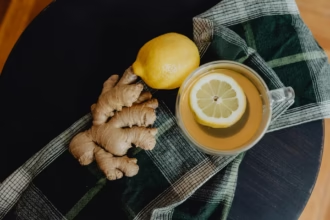
Ginger is another cornerstone of herbal wellness, prized for its dual role in digestion and circulation. Fresh ginger root, grated into hot water, can soothe nausea—whether from motion sickness, morning sickness, or mild food poisoning. It also supports healthy blood flow, reducing menstrual cramps or cold extremities by warming the body from within. For those prone to bloating or sluggish digestion, a daily infusion of fennel seeds offers a carminative effect, helping to break up gas and encourage smooth muscle relaxation in the gut.
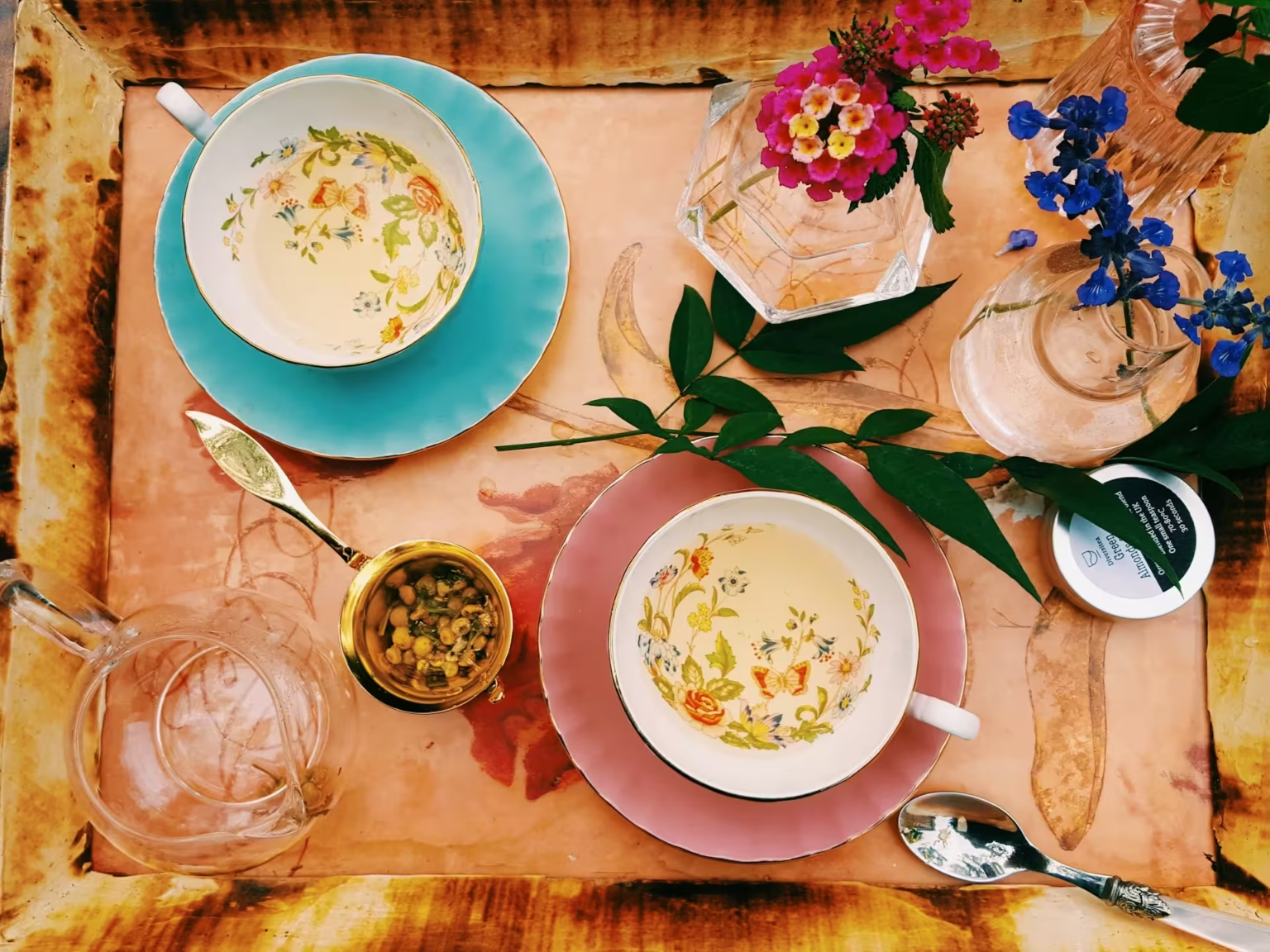
Meanwhile, chamomile tea remains a go-to for winding down after a long day. Its apigenin content binds to brain receptors that regulate sleep, while its anti-inflammatory properties can ease inflammation in the digestive tract, reducing irritation that often disrupts rest. In practical terms, Herbal Remedies works best when it is applied consistently rather than treated as a one-time fix.
For immune support, echinacea and elderberry have earned their place in seasonal wellness routines. Echinacea is often taken at the first sign of a cold to stimulate immune response, though research suggests it may be more effective at shortening duration than preventing onset. Elderberry, rich in anthocyanins, supports viral defense by enhancing cytokine production and potentially reducing the severity of flu symptoms. Both are commonly prepared as syrups or teas, though they’re most effective when used consistently before illness sets in.
For respiratory relief, thyme acts as a natural expectorant due to its high thymol content, which helps loosen mucus and ease coughs. Whether used as a steam inhalation, tea, or tincture, thyme has a long history of supporting lung health. These herbs aren’t cure-alls, but they offer practical, low-risk support for everyday wellness needs. A balanced approach to Herbal Remedies also means adjusting the method to fit real-life routines instead of forcing unrealistic habits.
How to Prepare and Store Herbs at Home: From Garden to Cup
Storage plays a crucial role in maintaining efficacy. Herbs lose potency when exposed to heat, light, or moisture. Even dried herbs can degrade over time if not stored properly. Keep containers in a cool cupboard away from appliances that generate heat, like stoves or dishwashers. Refrigeration isn’t usually necessary unless using fresh herbs, and even then, they should be wrapped in slightly damp paper towels inside a sealed bag to prevent wilting. For tinctures and oils, amber or cobalt glass bottles offer protection from light, while metal lids can corrode over time—opt for glass droppers or lids lined with inert material.
If herbs develop a musty smell, soften, or show signs of mold, discard them immediately. Using fresh, high-quality herbs and proper storage techniques ensures that each cup of tea or drop of tincture delivers the intended benefits. For long-term results, Herbal Remedies should be simple enough to repeat and flexible enough to adapt when circumstances change.
Herbal Support for Digestive Health: Easing Common Concerns
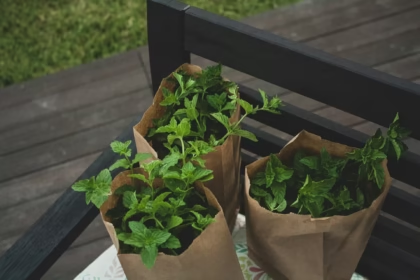
Digestive discomfort is one of life’s most persistent disturbances—whether it’s bloating after a large meal, heartburn from spicy food, or the occasional bout of indigestion. Herbs can offer gentle, targeted relief by addressing underlying imbalances rather than masking symptoms. For instance, peppermint isn’t just a flavorful tea; its menthol content relaxes the smooth muscle of the digestive tract, relieving spasms and gas. This makes it especially effective after rich meals or for those prone to irritable bowel syndrome. Yet, peppermint isn’t suitable for everyone—those with gastroesophageal reflux disease (GERD) may find it relaxes the lower esophageal sphincter, worsening acid reflux. The most useful way to think about Herbal Remedies is as an ongoing practice that becomes stronger through small, repeatable actions.
Ginger, widely revered in both culinary and medicinal traditions, is a digestive powerhouse. It stimulates saliva and bile production, aiding digestion, and has been shown in studies to accelerate gastric emptying. This can be particularly helpful for people experiencing post-meal sluggishness or nausea. Some individuals sip ginger tea before traveling or during chemotherapy to manage motion sickness or treatment-related nausea. Fennel seeds, often chewed after meals in Mediterranean cultures, contain volatile oils that relax intestinal muscles and reduce bloating.
Their mild licorice-like flavor pairs well with other digestive herbs like anise or caraway, creating formulas that gently normalize gut motility. Chamomile, meanwhile, soothes inflammation in the digestive tract, making it useful for conditions like gastritis or inflammatory bowel syndrome. Its anti-inflammatory effects extend to the mucosal lining, reducing irritation and promoting repair.
For those with chronic digestive challenges, herbs like licorice root (DGL form, deglycyrrhizinated) can support the stomach lining and reduce acid irritation without the side effects of over-the-counter antacids. Artichoke leaf extract has been studied for its ability to increase bile flow, improving fat digestion and reducing post-meal bloating.
However, herbs are most effective when combined with mindful eating habits—chewing thoroughly, avoiding overeating, and staying hydrated. Herbal support works best as part of a holistic approach, one that respects the body’s need for balance and rhythm. By incorporating digestive herbs thoughtfully, many people find they can reduce reliance on harsh medications and cultivate a more comfortable relationship with food.
Herbs for Stress and Sleep: Calming the Nervous System
In a world that rarely pauses, the body’s stress response can become chronic, leading to fatigue, irritability, and disrupted sleep. Herbs offer a way to recalibrate the nervous system gently, supporting resilience without the side effects of pharmaceutical sedatives. Among the most studied is ashwagandha, an adaptogen used in Ayurveda to help the body manage stress. Research suggests it may lower cortisol levels, the stress hormone, and improve sleep quality—especially in people experiencing chronic stress or insomnia.
Its earthy, slightly bitter taste is often balanced by combining it with warming spices in milk-based tonics or teas. Passionflower is another botanical ally for sleep, particularly for those whose minds race at night. Its flavonoids interact with GABA receptors, promoting relaxation and easing anxiety without next-day grogginess.
Lemon balm, a member of the mint family, is a gentle nervine that uplifts mood and eases tension. Studies suggest it may have antiviral properties and support cognitive function, making it useful for people juggling high workloads or caring responsibilities. Its lemony fragrance makes it a pleasant addition to teas or infused waters. Valerian root, though pungent, has a long history of use for insomnia, particularly in cases of restless sleep.
While its smell alone is enough to deter some, its sedative effects are well-documented when taken in proper doses. For those new to herbal sleep aids, starting with milder options like chamomile or lavender can ease the transition without overwhelming the senses. These herbs work most effectively when used regularly, allowing the body to rebuild its natural rhythms.
It’s worth noting that stress and sleep are deeply interconnected with gut health and circadian rhythms. Herbs like magnolia bark extract contain honokiol, which supports both relaxation and gut motility, reflecting the gut-brain axis in action. Similarly, chamomile’s ability to soothe digestion and calm the mind makes it a dual-purpose remedy for those whose stress manifests physically. When using herbs for stress and sleep, consistency is more important than intensity. A nightly ritual of sipping a warm herbal infusion signals to the body that it’s time to wind down. Over time, these small acts can help restore balance to a system that’s been running on overdrive.
Seasonal Wellness and Immune Support: Herbs for Respiratory Health
As the seasons shift, so do the challenges the body faces—dry air in winter can irritate airways, while spring’s pollen can trigger congestion. Herbs provide seasonal support by strengthening the body’s defenses and easing respiratory discomfort. Elderberry, particularly the dark purple berries of Sambucus nigra, has gained popularity for its antiviral properties.
Rich in anthocyanins, compounds with strong antioxidant and anti-inflammatory effects, elderberry may help reduce the severity and duration of flu symptoms by supporting immune response. It’s commonly prepared as a syrup, often combined with honey and warming spices like cinnamon and clove, both of which enhance circulation and add flavor.
For airways and lungs, thyme stands out for its antimicrobial and expectorant properties. Thymol, its primary constituent, has been shown to help break up mucus and fight respiratory infections. A simple steam inhalation—breathing in the steam from hot water infused with thyme—can ease congestion and soothe irritated sinuses. Ore
FAQ
What is the most important thing to understand about Herbal Remedies?
The most important point is to focus on practical context, not isolated facts. A useful article should explain what matters, why it matters, and how the reader can apply the information correctly.
How can readers use this information effectively?
Readers should start with the main ideas, compare them with their own situation, and then apply the most relevant advice step by step.
What common mistake should readers avoid?
The most common mistake is treating a broad topic as one simple answer. Better results come from checking details, understanding context, and avoiding unsupported claims.
Is this topic likely to change over time?
Yes, some details can change, especially statistics, recent events, product information, and public profiles. Readers should verify time-sensitive facts before making decisions.
Conclusion
A strong result depends on applying the main ideas consistently rather than treating them as one-time advice. Use the guidance above as a practical reference, focus on the details that matter most for your situation, and keep improving your approach over time. The most useful next step is to review the key points, choose one action related to Herbal Remedies, and put it into practice with care.
Disclaimer
The information provided on this website is for educational and informational purposes only and is not intended as medical advice, diagnosis, or treatment.
Always seek the advice of a qualified healthcare professional before making any changes to your diet, lifestyle, or health routine. Never disregard professional medical advice or delay seeking it because of something you have read on this website.
The content on this site may discuss natural remedies, detox methods, and alternative health approaches that are not universally accepted by the medical community. Individual results may vary.
By using this website, you acknowledge that you are responsible for your own health decisions.