

Why Modern Stress Isn’t Just in Your Head
Between back-to-back meetings, endless notifications, and the pressure to always be “on,” our nervous systems haven’t had a manual update since the Stone Age. When cortisol and adrenaline fire constantly, sleep turns restless, concentration frays, and emotions swing like a metronome set to panic speed. While therapy and medication help many, others seek gentler routes without the side-effect checklist. That’s where needles—thin, strategic, and surprisingly gentle—enter the conversation. In practical terms, benefits of acupuncture for anxiety and insomnia works best when it is applied consistently rather than treated as a one-time fix.
Acupuncture isn’t just a relic of ancient Chinese medicine; it’s gaining recognition in neurology labs and stress clinics for its measurable effects on the body’s stress circuitry. Instead of numbing symptoms with pills, it nudges the nervous system toward balance. For those who’ve tried meditation retreats and deep-breathing apps with mixed results, this needle-thin approach offers something different: a pause button for the nervous system. Let’s look at five ways acupuncture quietly reworks the body’s stress wiring, often in ways that surprise first-timers. A balanced approach to benefits of acupuncture for anxiety and insomnia also means adjusting the method to fit real-life routines instead of forcing unrealistic habits.
How Stress Hijacks Sleep Before You Even Notice
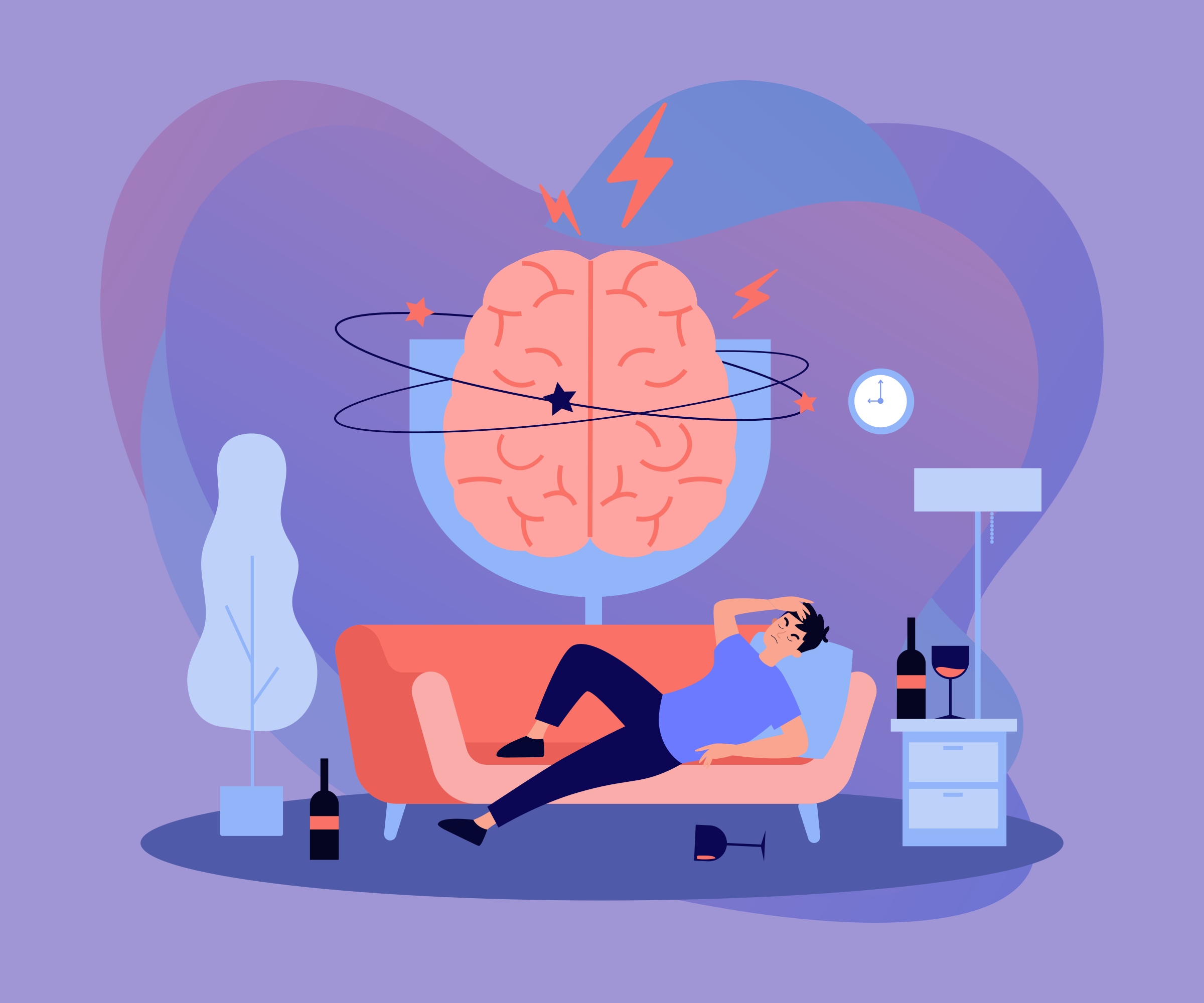
The frustration isn’t just late-night scrolling or a noisy neighbor—it’s the body’s alarm system stuck in “on” mode. The amygdala, our emotional smoke detector, keeps flashing red. Stress hormones lock into overdrive, cortisol creeps into the evening hours, and suddenly 10 p.m. feels like 2 p.m. biologically. Then comes the irony: the harder you try to sleep, the more your mind races. Acupuncture doesn’t yell “relax!” It re-calibrates the systems that turned up the volume in the first place. For long-term results, benefits of acupuncture for anxiety and insomnia should be simple enough to repeat and flexible enough to adapt when circumstances change.
The Scientific Edge Behind the Needles
Modern imaging tools like fMRI scans have caught acupuncture in the act. When practitioners insert needles at specific points—say, between the thumb and index finger or behind the ear—certain brain regions flicker with new activity. The hypothalamus, the body’s thermostat for stress responses, appears to hit reset. Meanwhile, the prefrontal cortex, often mugged by worry, shows improved communication with the limbic system. In short, acupuncture seems to help the brain remember how to coast rather than sprint. The most useful way to think about benefits of acupuncture for anxiety and insomnia is as an ongoing practice that becomes stronger through small, repeatable actions.
Clinical trials echo this. In 2023 research from the *Journal of Affective Disorders*, participants receiving eight weekly sessions reported a 40% drop in insomnia severity and a 30% reduction in anxiety scores compared to sham treatments. The catch? The benefits often build gradually, like a dimmer switch turning up light over weeks instead of flicking straight to bright. When the basics are handled well, benefits of acupuncture for anxiety and insomnia becomes easier to maintain without adding unnecessary pressure.
The First Eye-Opening Benefit: Dialing Down the Amygdala’s Alarm System
Imagine your amygdala as an overzealous security guard—constantly scanning for threats, even when the hallways are empty. That’s chronic anxiety in a nutshell. Acupuncture appears to dial down this hypervigilance by increasing GABA, a calming neurotransmitter, and reducing glutamate, the excitable counterpart. Patients often describe the effect as a mental fog lifting rather than a chemical crash. In practical terms, benefits of acupuncture for anxiety and insomnia works best when it is applied consistently rather than treated as a one-time fix.
One theory points to the way needles stimulate tiny sensory nerves, which then trigger the release of endorphins and serotonin—nature’s chill pills. Unlike SSRIs that flood the system immediately, acupuncture nudges production gradually, often without the weight gain or emotional blunting that comes with pharmaceuticals. A balanced approach to benefits of acupuncture for anxiety and insomnia also means adjusting the method to fit real-life routines instead of forcing unrealistic habits.
Real talk: Some clients notice a single session softens edge-of-panic moments. Others need six or eight to feel the shift. It’s not magic; it’s the retraining of a system conditioned to expect disaster.
When Words Fail, Needles Sometimes Speak
For those who’ve talked themselves blue about stress yet still wake at 3 a.m. replaying arguments, verbal therapies alone can feel like running a treadmill with no speed change. Acupuncture enters as a nonverbal intervention. The right point at the wrist, for instance, corresponds to the “Spirit Gate,” historically used to calm palpitations and racing thoughts. Pressing it with a needle might seem odd, yet many report a sudden stillness, a few seconds where the mind pauses and the breath deepens. For long-term results, benefits of acupuncture for anxiety and insomnia should be simple enough to repeat and flexible enough to adapt when circumstances change.
This isn’t placebo—it’s neuroplasticity in slow motion. The brain, starved for new sensory input, reroutes attention from worry loops to the here-and-now sensation of the needle. Over time, those moments of presence grow longer between sessions. The most useful way to think about benefits of acupuncture for anxiety and insomnia is as an ongoing practice that becomes stronger through small, repeatable actions.
The Second Unexpected Perk: A Reset Button for Your Circadian Rhythm
Insomnia isn’t just about waking up; it’s about the body’s internal clock running 90 minutes slow. Melatonin release strays, body temperature peaks at 2 a.m. instead of midnight, and the morning alarm feels like being dropped from a second story. Acupuncture seems to coax the pineal gland back to its rhythm like a conductor bringing an orchestra into tune. When the basics are handled well, benefits of acupuncture for anxiety and insomnia becomes easier to maintain without adding unnecessary pressure.
Researchers at the *Journal of Alternative and Complementary Medicine* tracked melatonin levels in chronic insomniacs after acupuncture. Within four weeks, participants showed a 25% increase in melatonin, alongside deeper Stage 3 sleep cycles—the kind where the brain performs overnight maintenance rather than replaying daytime drama. In practical terms, benefits of acupuncture for anxiety and insomnia works best when it is applied consistently rather than treated as a one-time fix.
How One Session Can Rewire Tomorrow Morning
The day after an evening acupuncture appointment, many clients wake minutes before the alarm, mind clear, body rested. It’s not the needle itself that causes this—it’s the way the insertion prompts the hypothalamus to shift heat production and stress hormone release. In short, acupuncture may be the only over-the-counter option that tells the body: “Hey, let’s move bedtime closer to sunset.” A balanced approach to benefits of acupuncture for anxiety and insomnia also means adjusting the method to fit real-life routines instead of forcing unrealistic habits.
Timing matters, though. For best results, schedule sessions in the late afternoon or early evening, when the body is still cycling down from daytime cortisol peaks. Morning appointments work for mood regulation but rarely for sleep onset. For long-term results, benefits of acupuncture for anxiety and insomnia should be simple enough to repeat and flexible enough to adapt when circumstances change.
The Third Hidden Advantage: Fewer Nighttime Wake-Ups, More Deep Sleep Clusters
Sleep trackers love to highlight how many times you “wake briefly.” Most of us never notice these micro-awakenings, yet they fragment sleep architecture. Acupuncture appears to smooth these rough edges. Participants in studies report fewer bathroom trips, less tossing caused by stress, and longer stretches of Stage 3 sleep, the restorative phase responsible for tissue repair and memory consolidation. The most useful way to think about benefits of acupuncture for anxiety and insomnia is as an ongoing practice that becomes stronger through small, repeatable actions.
It’s not that the technique “knocks you out.” Instead, it uncouples the link between stress triggers and physical tension. A client once described it as “switching from a lumpy mattress to one that molds to my spine.” The difference isn’t dramatic at first, but over time, the body learns to stay horizontal. When the basics are handled well, benefits of acupuncture for anxiety and insomnia becomes easier to maintain without adding unnecessary pressure.
The Role of Vagus Nerve Stimulation
Certain acupuncture points near the ear and collarbone sit along the vagus nerve pathway—a superhighway for calming visceral responses. Gentle stimulation here slows heart rate, reduces stomach churning linked to anxiety, and eases the kind of full-body tension that wakes you with clenched fists. Think of it as an internal massage without the spa fees.
The Fourth Eye-Opening Benefit: Lower Cortisol, Higher Serotonin—Without the Crash
Most anti-anxiety tools fall into two buckets: temporary boosts (alcohol, sugar) or daily meds that require titration. Acupuncture sidesteps both traps. In studies measuring saliva cortisol, participants showed a 20% reduction after six sessions—without the emotional flatness that often accompanies SSRIs. Serotonin levels climbed gently, mirroring the steady calm of a well-managed garden rather than the chemical flood of antidepressants.
What’s more, unlike pharmaceuticals, acupuncture’s effects often linger. Six months after ending a course, many retain at least half of their initial stress-reduction gains. It’s not a cure-all, but it rewires the terrain where stress takes root.
The Placebo Paradox
Some argue the benefits are just placebo. But when sham acupuncture—needle insertions at random points—still yields a 15% improvement, something beyond belief is at work. The leading theory? The nervous system responds to touch and precision, regardless of tradition. Still, the evidence grows stronger for traditional point selection. In one trial, electro-acupuncture at the “Baihui” point on the scalp produced measurable drops in cortisol, while nearby sham points did not.
The Fifth Surprising Perk: Fewer Side Effects Than Most Medications
SSRIs and benzodiazepines can bring unwanted baggage: weight gain, sexual dysfunction, cognitive fog. Acupuncture? The worst side effect reported is occasional bruising at the insertion site, which fades in 24 hours. For clients who’ve cycled through pills, this alone makes the needle route worth exploring.
Then there’s the cost curve. While insurance coverage varies, a six-session package often runs cheaper than a month’s supply of branded anxiety meds—and lasts far longer. In urban clinics, sliding-scale options exist, making this therapy accessible to a wider range of budgets.
Pain Isn’t a Prerequisite
Newcomers often brace for the poke. But skilled practitioners use needles so thin, many compare the sensation to a cat’s whisker or a faint mosquito bite. De Qi, the sought-after “arrival of qi,” feels like a mild ache that dissolves into warmth. If pain persists, the needle’s placement or angle simply needs adjustment—no courage trophy required.
For severe phobias, non-needle electro-acupuncture or laser sessions offer the same benefits without the sensory trigger. The technique still sends signals to the brainstem, just through a different channel.
What to Expect on Your First Visit
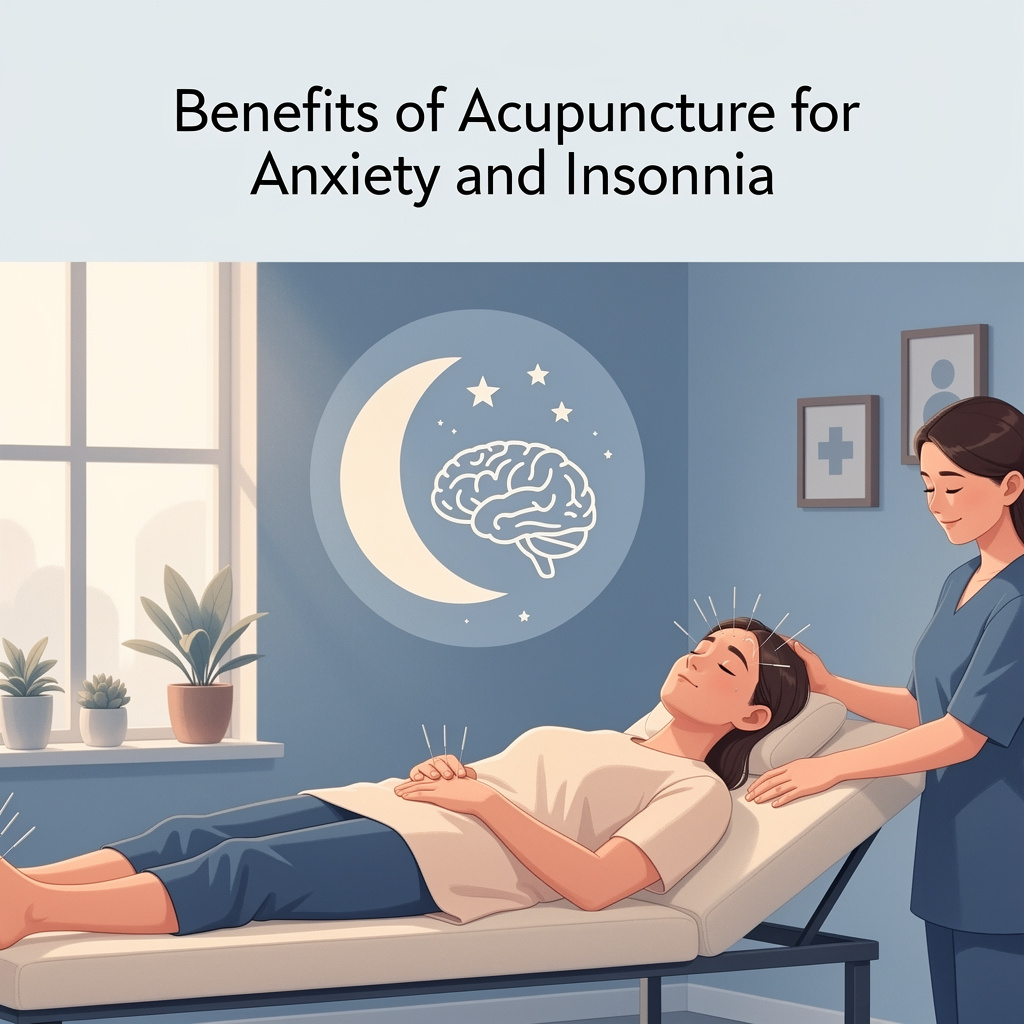
Before the first needle, a practitioner will ask about sleep patterns, stress triggers, digestion, and energy slumps. They’re mapping your body’s stress map, not just shooting for a generic point. Then, you’ll lie still (usually face-down or side-lying) while 4–12 hair-thin needles find their homes.
Typical point combinations include:
- LI4 between thumb and index finger – classic for tension headaches and jaw clenching
- HT7 on the wrist crease – the “Spirit Gate” point, used for palpitations and racing thoughts
- GV20 on top of the head – calms the mind and grounds scattered energy
- SP6 on the inner calf – regulates sleep cycles and eases restless legs
Sessions last 20–40 minutes. Most people nap, zone out to music, or simply enjoy the rare luxury of stillness. Afterward, headaches ease, digestion slows, and eyes feel less gritty. A few report vivid dreams for a night or two—often a sign of deep nervous system recalibration.
How Many Sessions Before You Notice a Change?
Expect subtle shifts within 1–2 sessions. But meaningful change—like fewer nighttime awakenings or less knee-jerk irritability—usually takes 4–6 appointments. Maintenance sessions every 2–4 weeks can keep the nervous system on cruise control.
Think of it like retuning a piano. One hammer strike won’t produce a symphony. But eight sessions over two months can bring the strings back into harmony.
Common Missteps That Sabotage Results
Skipping sessions early on often backfires. The nervous system needs repetition to rewire patterns. Jumping into a session during a manic episode can leave you overstimulated afterward—better to wait for a calmer window.
Choosing a practitioner based solely on price can also backfire. A poorly trained acupuncturist might overuse points meant for pain relief instead of stress points. Look for licensed acupuncturists (L.Ac.) with experience in mental-emotional therapies. Credentials matter; a weekend crash course in “stress points” isn’t enough.
Signaling the Nervous System Too Late
Waiting until insomnia or anxiety feels unbearable reduces acupuncture’s edge. The longer stress circuits stay lit, the more ingrained the patterns become. Early intervention—think six sessions before a major life stress—often prevents a full-blown crash.
Finally, pairing needles with other lifestyle tweaks compounds benefits. Sleep hygiene, gentle evening walks, and magnesium-rich foods create an environment where acupuncture’s effects multiply rather than fade.
When Acupuncture Isn’t Enough—And What to Do Next
Severe panic disorder, suicidal ideation, or chronic insomnia tied to PTSD often demand more intensive care. Acupuncture can complement therapy and medication but isn’t a stand-alone rescue. If symptoms escalate—like night terrors, persistent chest tightness, or inability to leave home—consult a mental health professional immediately.
Certain medication interactions also warrant caution. Anticoagulants may increase bruising risk. Always inform your practitioner about prescriptions and unexpected reactions.
The Fine Line Between Supportive and Replacement Therapy
Acupuncture won’t erase deep trauma. But it can create a window of calm where therapy becomes possible. One client described it as “clearing a runway so the plane of talk therapy can land.” For others, it’s the missing piece that finally makes CBT stick.
Real Stories, Not Fairy Tales
Consider Emma, a 34-year-old project manager who dodged burnout by trading late-night work for acupuncture. After six sessions, her sleep tracker showed a 40% drop in wake-ups overnight. She described the change as “someone finally turning off the brain’s stuck record player.”
Or Marcus, a 50-year-old teacher whose anxiety peaked during standardized test season. While he watched colleagues pop antacids and antihistamines, he chose weekly acupuncture. By week three, his pre-lecture shakes eased, and his sleep depth improved. He still deals with stress, but his nervous system now “shakes it off” faster.
These aren’t miracles. These are bodies remembering how to regulate themselves when given the right cues.
Frequently Asked Questions
Minor bruising, temporary soreness, or brief dizziness after the first session are possible. Rare cases of pneumothorax or nerve damage occur with unqualified practitioners—always choose licensed professionals.
| Question | Answer |
|---|---|
| Does acupuncture hurt? | Most people describe the sensation as minimal—a brief pinch followed by warmth. Sensations vary by point; scalp and ear points feel lighter than thicker muscle areas. |
| How soon before bedtime should I schedule a session? | Late afternoon or early evening works best for sleep benefits. Morning sessions help mood but rarely improve sleep onset. |
| Will I feel drowsy after a session? | Some report a quiet heaviness or unexpected yawns—your body processing the reset. Avoid driving if you feel unsteady; otherwise, it’s usually safe to resume normal activities. |
| Can acupuncture replace my anxiety medication? | Not without consulting your prescriber. Some taper off meds under supervision, using acupuncture to maintain gains. Never stop medication abruptly or without medical guidance. |
| How much does a typical course cost? | In the U.S., sessions average $80–$150 each. Many practitioners offer 4–6 session packages ($400–$600 total) with a 10–20% discount. Insurance coverage varies; call your provider to confirm. |
| Are there any risks or side effects? | |
| How long do the benefits last after stopping treatment? | Many report benefits persisting 3–6 months post-treatment, especially with maintenance sessions quarterly. Chronic cases often need ongoing support to maintain gains. |
Conclusion
Acupuncture isn’t a magic wand, but it offers something increasingly rare in modern stress management: a way to reset without adding another chemical to the mix. Whether it’s calming an overactive amygdala, nudging melatonin back into rhythm, or simply creating a few guilt-free minutes of stillness, the needle’s touch can be a bridge between burnout and balance.
For those willing to trade skepticism for curiosity, the evidence is growing—loudly and quietly. Start small. Four sessions. One point at a time. Track your sleep scores and mood notes. You might find the pause you’ve been waiting for isn’t in another app or pill bottle—it’s in the quiet hum of a needle finding its mark.
Disclaimer
The information provided on this website is for educational and informational purposes only and is not intended as medical advice, diagnosis, or treatment.
Always seek the advice of a qualified healthcare professional before making any changes to your diet, lifestyle, or health routine. Never disregard professional medical advice or delay seeking it because of something you have read on this website.
The content on this site may discuss natural remedies, detox methods, and alternative health approaches that are not universally accepted by the medical community. Individual results may vary.
By using this website, you acknowledge that you are responsible for your own health decisions.