

Powerful Reiki Healing Techniques for Emotional Release
Emotional energy often lingers long after the experiences that created it have passed. Common methods like journaling, talking, or simply waiting for feelings to fade don’t always create the shift people seek. Reiki, a Japanese energy healing practice, offers a unique approach to releasing emotional blocks by working with the body’s energy system.
This article explores six powerful Reiki healing techniques designed specifically for emotional release, comparing their applications, effectiveness, and best practices to help you decide which methods align with your needs. In practical terms, reiki healing techniques for emotional release works best when it is applied consistently rather than treated as a one-time fix.

Understanding Reiki’s Role in Emotional Release
Reiki operates on the principle that emotional distress disrupts the natural flow of energy in the body. This disruption can manifest as physical discomfort, mental fog, or persistent emotional states like sadness, anxiety, or anger. While many healing modalities focus on addressing the mind or body separately, Reiki works on both simultaneously by channeling universal life force energy through the practitioner’s hands. The goal isn’t to suppress emotions but to restore balance so they can be processed and released naturally. A balanced approach to reiki healing techniques for emotional release also means adjusting the method to fit real-life routines instead of forcing unrealistic habits.
Researchers exploring energy medicine have noted that Reiki may help reduce symptoms of stress and emotional overload by promoting relaxation and activating the parasympathetic nervous system. Instead of encouraging avoidance or numbing emotions, Reiki practitioners believe that gentle energy work helps dissolve emotional blockages where experiences remain trapped.
For someone feeling overwhelmed by past events or current triggers, Reiki offers a non-invasive way to shift the energy surrounding those feelings. For long-term results, reiki healing techniques for emotional release should be simple enough to repeat and flexible enough to adapt when circumstances change.
Consider someone who experiences sudden waves of grief months after a loss. Traditional therapy might help them process the loss, but Reiki could support the emotional release by addressing the energetic residue that keeps the body and mind in a reactive state.
The distinction lies in the approach: while therapy focuses on understanding and reframing thoughts, Reiki works directly with the energy fields that influence how emotions are stored and experienced. The most useful way to think about reiki healing techniques for emotional release is as an ongoing practice that becomes stronger through small, repeatable actions.
Technique 1: Grounding and Centering for Emotional Stability
Grounding and centering form the foundation of many Reiki practices, especially when working with emotional energy. This technique isn’t just about feeling stable; it’s about creating a energetic baseline so emotional releases don’t destabilize the system. Practitioners often describe grounding as “plugging into the earth’s energy,” while centering focuses on aligning one’s own energy field. Together, they create a safe container for emotional processing. When the basics are handled well, reiki healing techniques for emotional release becomes easier to maintain without adding unnecessary pressure.
A common mistake is rushing through grounding before an emotional Reiki session. Rushing cuts off the body’s ability to release, similar to trying to empty a jar of water while keeping the lid on. Those who invest time in grounding often report that emotional releases feel smoother and less intense. Others find that grounding alone reduces emotional reactivity in daily life, acting as a preventative measure rather than a reaction to crisis.
Whether used before a Reiki session or as a daily practice, grounding and centering provide a reliable way to handle emotional overwhelm without becoming swept away by it. In practical terms, reiki healing techniques for emotional release works best when it is applied consistently rather than treated as a one-time fix.
Technique 2: Targeted Hand Positions for Emotional Release
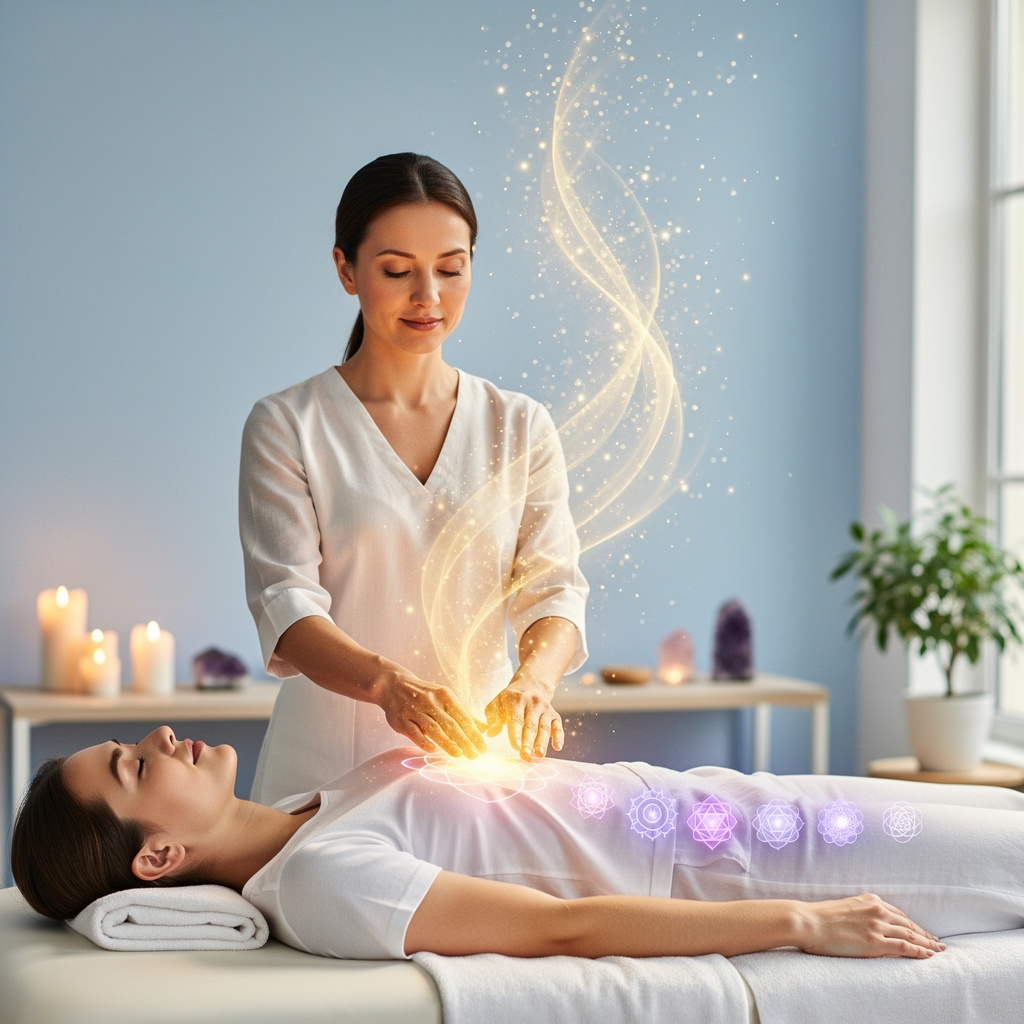
Of the six techniques explored here, hand positions offer the most direct way for practitioners to work with specific emotional centers in the body. Reiki hand placements aren’t random; they align with chakras and energy pathways where emotional stagnation tends to accumulate. While beginners often focus on the standard Rei-Ho hand positions (head, shoulders, knees, and feet), emotional release requires adapting these placements to areas holding trapped energy. A balanced approach to reiki healing techniques for emotional release also means adjusting the method to fit real-life routines instead of forcing unrealistic habits.
Some practitioners prefer using the “back position” technique, where hands are placed on the back rather than the front of the body. The back holds emotional memories with surprising clarity, especially in the area around the shoulder blades where the heart and lungs intersect.
When working with clients who describe feeling “stuck” or “heavy” in the chest, placing hands on the upper back can help energy move laterally instead of compressing downward. This method requires trust between practitioner and client, as it involves working with energy that may feel unfamiliar at first. For long-term results, reiki healing techniques for emotional release should be simple enough to repeat and flexible enough to adapt when circumstances change.
A practical example involves someone holding chronic guilt over a past decision. Placing Reiki hands on the solar plexus typically brings up sensations of tightness or warmth in that area. The practitioner stays present without trying to “fix” the feeling, allowing the energy to shift naturally. Over multiple sessions, clients often describe the guilt as lifting rather than being forced out, suggesting that Reiki works with the body’s innate intelligence rather than overriding it.
This difference sets Reiki apart from methods that prioritize cognitive reframing over somatic release. The most useful way to think about reiki healing techniques for emotional release is as an ongoing practice that becomes stronger through small, repeatable actions.
Technique 3: Using Reiki Symbols for Deep Emotional Clearing
Reiki symbols serve as energetic keys that amplify the practitioner’s intention and deepen the healing effect. Unlike generic visualizations, symbols carry specific vibrations designed to activate certain aspects of emotional release. The most commonly used symbols for emotional work include Cho Ku Rei (power symbol), Sei He Ki (mental/emotional symbol), and Hon Sha Ze Sho Nen (distance symbol). Each serves a distinct purpose depending on the emotional block being addressed. When the basics are handled well, reiki healing techniques for emotional release becomes easier to maintain without adding unnecessary pressure.
The Sei He Ki symbol, often called the “key to harmony,” resonates with the water element and emotions like sadness, grief, and unresolved anger. To use it, draw the symbol in the air above your palms before placing them on the client (or yourself if practicing self-Reiki). The focus isn’t on the symbol itself but on the intention behind it: to dissolve emotional density and restore flow. Practitioners often describe feeling warmth or tingling in their hands as the symbol’s energy activates, indicating that it’s working on a subtle level. In practical terms, reiki healing techniques for emotional release works best when it is applied consistently rather than treated as a one-time fix.
Cho Ku Rei enhances the power of other techniques by magnifying the Reiki energy flowing through the practitioner’s hands. When combined with Sei He Ki for emotional release, it can help break through stubborn blockages that resist gentler methods. For example, someone struggling with deep-seated resentment might use Cho Ku Rei over their heart center before visualizing the Sei He Ki symbol to release the emotional charge. The sequence matters: power first, then clearing. Skipping the power symbol often leaves the emotional work feeling incomplete or sluggish. A balanced approach to reiki healing techniques for emotional release also means adjusting the method to fit real-life routines instead of forcing unrealistic habits.
Technique 4: Reiki Meditation for Unprocessed Emotions
Meditation paired with Reiki creates a container for emotions to emerge without resistance. Unlike silent meditation where thoughts are observed and released, Reiki meditation involves active energy work that guides emotional energy toward resolution. The practice combines breathwork, visualization, and gentle hand movements to create a safe space for whatever arises. Instead of forcing emotions to disappear, the goal is to witness them as energy in motion. For long-term results, reiki healing techniques for emotional release should be simple enough to repeat and flexible enough to adapt when circumstances change.
A simple yet effective Reiki meditation for emotional release begins with grounding and centering, followed by placing hands in Gassho position (palms together at the chest). From there, visualize a beam of golden-white Reiki light entering the crown of the head and flowing downward through each chakra. At the heart center, imagine the light expanding into a gentle glow. With each inhale, draw Reiki energy in; with each exhale, visualize the golden light dissolving emotional density like mist burning off under sunlight. Continue this cycle for 10-15 minutes, allowing yourself to notice any sensations, images, or memories without attachment. The most useful way to think about reiki healing techniques for emotional release is as an ongoing practice that becomes stronger through small, repeatable actions.
Some practitioners incorporate breath retention techniques to intensify the emotional release. After several cycles of breathing Reiki in and out, pause at the peak of an inhale and hold for three counts before releasing with a sigh. This brief retention can help emotional energy rise to the surface where it can be transmuted. The risk here lies in overdoing the breathwork, which might trigger anxiety in sensitive individuals. Those new to meditation-based Reiki often benefit from shorter sessions (5-7 minutes) to avoid emotional overwhelm. When the basics are handled well, reiki healing techniques for emotional release becomes easier to maintain without adding unnecessary pressure.
A real-world application involves someone experiencing sudden bursts of anger with no clear trigger. Instead of suppressing the anger or acting on it, they practice this meditation while holding their hands over their heart. The Reiki energy helps the anger transform into a sensation of heat or pressure that eventually dissipates. Over time, the intensity and frequency of these outbursts decrease, suggesting that the meditation didn’t just mask the emotion but helped the body resolve its energetic charge. This distinction matters: Reiki meditation supports emotional processing at a cellular level, not just a behavioral one. In practical terms, reiki healing techniques for emotional release works best when it is applied consistently rather than treated as a one-time fix.
Technique 5: Distance Reiki for Past Emotional Trauma
Distance Reiki offers a way to work with emotional wounds tied to past experiences without confronting them directly. This method relies on the practitioner’s ability to send Reiki energy across time and space using symbols and intention. While some dismiss distance healing as less effective than hands-on work, practitioners argue that energy doesn’t obey the same rules as physical matter. A past trauma might feel overwhelming in the present, but sending Reiki to its energetic imprint can shift the emotional charge without reliving the event.
One challenge with distance Reiki is maintaining focus when emotions feel overwhelming. Practitioners often combine distance work with grounding techniques to ensure stability. They might place one hand on their own heart and the other in the air, visualizing the distance symbol connecting them to the client’s energy field. Over time, clients report that past traumas lose their emotional grip, even if the memories remain intact. This outcome suggests that Reiki works on the energy of the trauma rather than trying to erase the event itself.
A practical scenario involves someone haunted by a public failure years ago. While therapy might help them reframe the experience, distance Reiki allows the practitioner to send energy to the shame stored in the solar plexus. The client might feel a release of tension in that area during the session, followed by a sense of neutrality toward the past. The key advantage here is that distance Reiki doesn’t require the client to revisit the memory, making it a gentler option for those sensitive to emotional triggers.
Technique 6: Combining Reiki Techniques for Holistic Release
Rather than relying on a single method, combining Reiki techniques creates a more comprehensive emotional release process. This approach mirrors how emotional energy often moves through multiple layers of the body and mind. A practitioner might start with grounding, move to hand positions over the heart and solar plexus, incorporate symbols for amplification, and finish with a short meditation to integrate the shifts. The sequence follows a natural flow from stabilization to release to integration.
One effective combination involves using Sei He Ki on the third eye to clear mental patterns, followed by Cho Ku Rei on the heart to power the release, and ending with meditation to ground the new energy. The practitioner might also incorporate breathwork during the hand positions, asking the client to exhale into the areas where Reiki is applied. This layered approach addresses emotional blocks from multiple angles, increasing the likelihood of a deep release. Clients often describe feeling lighter or more spacious after integrated sessions, as if emotional weight has been lifted from several points at once.
Another variation combines distance Reiki with in-person work. A practitioner might spend half the session sending distance Reiki to a past trauma and the other half using hands-on healing for current emotional reactions. This dual approach helps clients process both historical and present-day triggers simultaneously. For someone struggling with chronic anxiety rooted in childhood insecurity, this method can address the foundational fear while also soothing immediate stress responses.
Common mistakes in combining techniques include rushing the transitions between methods or overloading the client with too many stimuli at once. Practitioners should allow pauses between techniques, checking in with the client’s energy level throughout the session. Those who tend to feel emotionally frail after sessions might benefit from ending with grounding work rather than diving straight into analytical processing. The integration phase matters as much as the release itself, ensuring that the shifts don’t overwhelm the system before it adapts to the new energetic state.
Comparing Reiki Techniques: Which One Is Right for You?
Selecting the most suitable Reiki technique depends on your emotional landscape, comfort level, and desired outcome. Below is a comparison of the six techniques based on their applications, intensity, and best-use scenarios. While no single method is universally superior, certain techniques align better with specific emotional needs.
| Technique | Best For | Intensity Level | Time Required | Suitability |
|---|---|---|---|---|
| Grounding and Centering | Daily emotional stability, preventing overwhelm | Low | 3–10 minutes | All experience levels |
| Targeted Hand Positions | Specific emotional blockages (grief, anger, fear) | Medium | 15–30 minutes | Beginners to intermediate |
| Reiki Symbols | Deep emotional clearing, stubborn blocks | High | 10–20 minutes | Those familiar with symbols |
| Reiki Meditation | Unprocessed emotions, subconscious patterns | Medium to High | 10–20 minutes | Intermediate practitioners |
| Distance Reiki | Past trauma, ancestral patterns, future fears | Low to Medium | 10–30 minutes | All experience levels |
| Combined Techniques | Complex emotional histories, holistic healing | High | 30–60 minutes | Experienced practitioners |
The data reflects that grounding and centering serve as the most accessible technique, ideal for daily practice or those new to Reiki. Targeted hand positions offer a balanced middle ground, making them suitable for addressing specific emotional imbalances without overwhelming the system. Reiki symbols introduce intensity through amplification but require familiarity with the symbols themselves.
Meditation-based Reiki demands more focus but can produce profound shifts in how emotions are processed. Distance Reiki provides a gentle option for past wounds without direct confrontation, while combined techniques offer the deepest releases at the cost of time and energy.
Consider someone experiencing anxiety triggered by work deadlines. Grounding and centering might help them navigate daily stress, while targeted hand positions over the solar plexus could address the core fear of failure. For deeper patterns rooted in childhood expectations, Reiki symbols or meditation might be more effective. Someone with a complex trauma history might benefit most from distance Reiki combined with in-person work. The key isn’t to choose one perfect technique but to experiment and observe which methods produce the most organic shifts in your emotional state.
Safety and Preparation: Before Starting Emotional Reiki Work
While Reiki is generally safe, emotional releases can feel intense if the body isn’t prepared. Physical energy shifts sometimes trigger fatigue, lightheadedness, or emotional surges in the hours following a session. Preparing your space and energy system minimizes risks and ensures a smoother experience. This section covers practical steps to create a safe container for emotional Reiki work, whether practicing on yourself or working with others.
Begin by setting clear intentions before each session. Instead of vague goals like “I want to feel better,” specify the emotional focus: “I intend to release the grief stored in my chest” or “I choose to transmute the fear of abandonment in my solar plexus.” Intentions act as energetic signposts, guiding Reiki toward its target. Second, ground thoroughly before and after the session to prevent emotional spillover into daily life. The body stores emotional energy, and without proper grounding, you might feel emotionally raw after a release.
Environmental preparation matters as much as energetic work. Choose a quiet space free from distractions, ideally with dim lighting or candles to induce relaxation. Soft background music can help but avoid lyrics or rhythms that might pull focus. If possible, practice near a window to allow natural light, as sunlight often complements Reiki’s energy by supporting clarity and warmth. Personal items like crystals or essential oils can enhance the space but aren’t necessary—Reiki works with intention alone.
Hydration plays a subtle but crucial role in emotional releases. The body releases toxins during Reiki sessions, and water helps flush them out. Drink water before and after the session, even if you don’t feel thirsty. Some practitioners recommend lemon water to support liver detoxification, which can be especially helpful after deep emotional releases. Post-session fatigue is common, so plan accordingly—avoid scheduling demanding tasks
FAQ
What is the most important thing to understand about reiki healing techniques for emotional release?
The most important point is to focus on practical context, not isolated facts. A useful article should explain what matters, why it matters, and how the reader can apply the information correctly.
How can readers use this information effectively?
Readers should start with the main ideas, compare them with their own situation, and then apply the most relevant advice step by step.
What common mistake should readers avoid?
The most common mistake is treating a broad topic as one simple answer. Better results come from checking details, understanding context, and avoiding unsupported claims.
Is this topic likely to change over time?
Yes, some details can change, especially statistics, recent events, product information, and public profiles. Readers should verify time-sensitive facts before making decisions.
Conclusion
A strong result depends on applying the main ideas consistently rather than treating them as one-time advice. Use the guidance above as a practical reference, focus on the details that matter most for your situation, and keep improving your approach over time. The most useful next step is to review the key points, choose one action related to reiki healing techniques for emotional release, and put it into practice with care.
Disclaimer
The information provided on this website is for educational and informational purposes only and is not intended as medical advice, diagnosis, or treatment.
Always seek the advice of a qualified healthcare professional before making any changes to your diet, lifestyle, or health routine. Never disregard professional medical advice or delay seeking it because of something you have read on this website.
The content on this site may discuss natural remedies, detox methods, and alternative health approaches that are not universally accepted by the medical community. Individual results may vary.
By using this website, you acknowledge that you are responsible for your own health decisions.