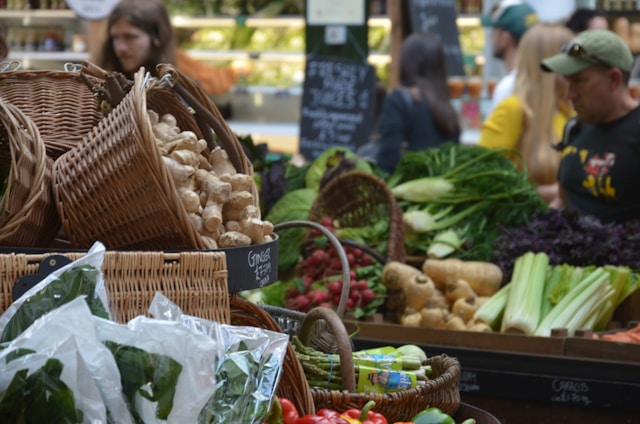

A healthier lifestyle starts here.
Introduction
Choosing the right foods is an important part of maintaining a balanced and healthy lifestyle. Organic grocery shopping has become increasingly popular as more people look for ways to understand how their food is produced and make informed decisions about what they consume.
This guide provides practical tips, clear explanations, and simple strategies to help you navigate organic grocery shopping with confidence. Whether you’re new to organic foods or looking to improve your current habits, this article will help you make smarter and more balanced choices.
What Does “Organic” Mean?
The term “organic” refers to the way agricultural products are grown and processed. Organic foods are generally produced using farming practices that:
- Avoid synthetic pesticides and fertilizers
- Do not include genetically modified organisms (GMOs)
- Focus on natural growing methods and soil health
- Follow regulated standards set by certification bodies
When shopping, you may see labels such as “100% Organic,” “Organic,” or “Made with Organic Ingredients,” each indicating different levels of organic content.
Understanding these labels can help you make more informed purchasing decisions.
Benefits of Choosing Organic Foods
Many people choose organic foods for a variety of reasons related to lifestyle, environmental awareness, and personal preferences.
Potential benefits include:
- Reduced exposure to certain synthetic chemicals
- Support for environmentally conscious farming practices
- Focus on natural production methods
- Preference for minimally processed foods
It’s important to note that organic foods are part of a broader approach to healthy eating and should be combined with balanced nutrition and lifestyle habits.
Organic vs. Conventional Foods
When comparing organic and conventional foods, it’s helpful to take a balanced approach.
Organic Foods:
- Produced under regulated standards
- Avoid synthetic additives in many cases
- Often associated with environmentally friendly practices
Conventional Foods:
- More widely available
- Usually more affordable
- Still subject to food safety regulations
Both options can be part of a healthy diet. The key is making informed choices based on your needs, preferences, and budget.
How to Read Organic Labels
Understanding food labels is essential when shopping for organic products.
Look for:
- Certified organic seals from recognized authorities
- Ingredient lists (especially for packaged foods)
- Country of origin information
Be cautious of marketing terms such as:
- “Natural”
- “Farm-fresh”
- “Eco-friendly”
These terms are not always regulated and may not indicate true organic certification.
Smart Tips for Organic Grocery Shopping
1. Plan Your Shopping List
Creating a list before you shop helps you stay focused and avoid unnecessary purchases.
2. Prioritize Key Items
If you’re on a budget, consider prioritizing items you consume most frequently, such as fruits, vegetables, and dairy products.
3. Buy Seasonal Produce
Seasonal fruits and vegetables are often fresher and more affordable.
4. Shop Local When Possible
Local markets may offer fresh produce and allow you to learn more about how food is grown.
5. Compare Prices
Organic products can vary in price depending on the store and brand. Comparing options can help you save money.
Budget-Friendly Organic Shopping
Buying organic does not always have to be expensive. Here are some practical ways to manage costs:
- Purchase in bulk when possible
- Choose store-brand organic products
- Mix organic and conventional items
- Focus on whole foods rather than processed organic snacks
Making gradual changes can help you build sustainable habits over time.
Building a Balanced Grocery Basket
A well-balanced grocery basket includes a variety of food groups:
- Fresh fruits and vegetables
- Whole grains
- Protein sources (plant-based or animal-based)
- Dairy or alternatives
- Healthy fats
Combining organic choices with a balanced diet can support overall wellness and long-term healthy habits.
Common Mistakes to Avoid
- Assuming all “natural” products are organic
- Overspending on unnecessary organic items
- Ignoring food labels and certifications
- Focusing only on labels instead of overall diet quality
Being mindful of these points can help you shop more effectively.
Conclusion
Organic grocery shopping can be a valuable part of a healthy and informed lifestyle. By understanding labels, planning your purchases, and maintaining a balanced approach, you can make smarter food choices that align with your preferences and needs.
Small, consistent improvements in your shopping habits can lead to better long-term results. Focus on balance, awareness, and practical decision-making to get the most value from your grocery shopping experience.
Sources & References
- General guidelines on organic food standards from recognized agricultural and food safety organizations
- Educational resources on healthy eating and balanced nutrition
- Publicly available information on food labeling and certification practices
Disclaimer
The information provided on this website is for educational and informational purposes only and is not intended as medical advice, diagnosis, or treatment.
Always seek the advice of a qualified healthcare professional before making any changes to your diet, lifestyle, or health routine. Never disregard professional medical advice or delay seeking it because of something you have read on this website.
The content on this site may discuss natural remedies, detox methods, and alternative health approaches that are not universally accepted by the medical community. Individual results may vary.
By using this website, you acknowledge that you are responsible for your own health decisions.