
Introduction to Traditional Chinese Medicine
If you’re exploring traditional chinese medicine basics, it is a traditional wellness system that has been practiced in China for thousands of years. It focuses on balance, harmony, and natural lifestyle practices that support overall well-being. Instead of focusing only on symptoms, Traditional Chinese Medicine (TCM) is often described as a holistic approach that looks at the body, mind, and daily habits together.
The origins of TCM can be traced back to ancient China, where it emerged as a response to health issues and disease prevention. Its methodologies have evolved over time but continue to be grounded in the same core philosophies. The rich history of TCM includes the development of techniques such as acupuncture, herbal medicine, dietary therapy, and Tai Chi, which are integral to its practice today. These elements are employed to promote wellbeing and restore the body’s natural state of balance.
TCM emphasizes a personalized approach to health, recognizing that every individual is unique and requires tailored treatment. This paradigm contrasts with many Western medical practices, which often focus on treating specific symptoms rather than the underlying causes of a condition. By utilizing various diagnostic methods, such as pulse taking and tongue examination, TCM practitioners can assess a person’s health and design a treatment plan that addresses their specific needs.
In conclusion, Traditional Chinese Medicine represents a comprehensive system of healthcare that fosters balance and harmony within the body. As more individuals recognize the benefits of integrative health practices, TCM continues to gain significance not only in China but also across the globe, attracting those seeking a holistic approach to health and wellness.
The Fundamental Concepts of TCM

Traditional Chinese Medicine (TCM) is built upon several core principles that are integral to its approach to health and wellness. Understanding these fundamental concepts can significantly enhance one’s grasp of TCM practices and their applications.
One of the most important components in TCM is “Qi,” often translated as life energy. Qi flows through the body, and its free movement is essential for maintaining health. Blockages or deficiencies in Qi can lead to illness or discomfort. Thus, many TCM practices, including acupuncture and herbal medicine, aim to balance and promote the smooth circulation of Qi.
Another foundational idea in TCM is the concept of “Yin and Yang”. This duality symbolizes opposing but complementary forces found in the universe and human beings. Yin represents aspects such as darkness, cold, and passivity, while Yang embodies light, heat, and activity. The balance between Yin and Yang is crucial for health; an excess of one can disrupt harmony and lead to various health issues.
Additionally, TCM emphasizes the “Five Elements” theory, which consists of Wood, Fire, Earth, Metal, and Water. Each element corresponds to specific organs, emotions, and seasons. For example, Wood is associated with the liver and spring, while Metal correlates with the lungs and autumn. The interactions between these elements help TCM practitioners assess and treat imbalances in the body, guiding individuals toward optimal health.
Lastly, the importance of harmony is paramount in TCM. Achieving a balanced state within oneself, along with harmony with the environment, is believed to lead to wellness. This holistic perspective is essential for both prevention and the treatment of health issues. By appreciating these key concepts—Qi, Yin and Yang, the Five Elements, and harmony—beginners can gain meaningful insights into Traditional Chinese Medicine.
Diagnosis Techniques in TCM

In Traditional Chinese Medicine, observation methods such as looking at the tongue and feeling the pulse are part of traditional assessment practices. These methods are used to understand patterns of balance and imbalance in the body based on long-established principles.
Rather than focusing on medical diagnosis, these observations are used to guide lifestyle suggestions and wellness approaches in a holistic way.
Tongue diagnosis in TCM involves examining the tongue’s color, shape, coating, and texture. Practitioners believe that the tongue acts as a mirror, reflecting the condition of internal organs and the flow of Qi (energy) within the body. For instance, a pale tongue may indicate a deficiency of Qi or blood, while a red tongue could suggest heat or inflammation. The coating on the tongue can also reveal information; a thick coating may hint at dampness or phlegm in the system. By carefully analyzing these characteristics, TCM practitioners can identify imbalances and tailor treatment accordingly.
Alongside tongue observation, pulse diagnosis is another integral aspect of TCM. Practitioners use their fingers to feel the pulse at several points on the wrist, each corresponding to different organ systems. The quality of the pulse—its strength, rhythm, and depth—offers insights into the functioning of various organs and the overall energy flow. For example, a weak pulse might indicate a deficiency of Qi, while a rapid pulse could signal excess heat. This diagnostic technique requires years of training to master, as experienced practitioners develop a keen ability to interpret subtle variations in pulse characteristics.
These diagnostic methods in TCM underscore the holistic approach of this ancient practice, focusing not merely on the symptoms but also on understanding the underlying factors contributing to health conditions. By utilizing tongue observation and pulse analysis, TCM practitioners can create personalized treatment plans aimed at restoring balance and promoting healing.
Common TCM Treatment Modalities
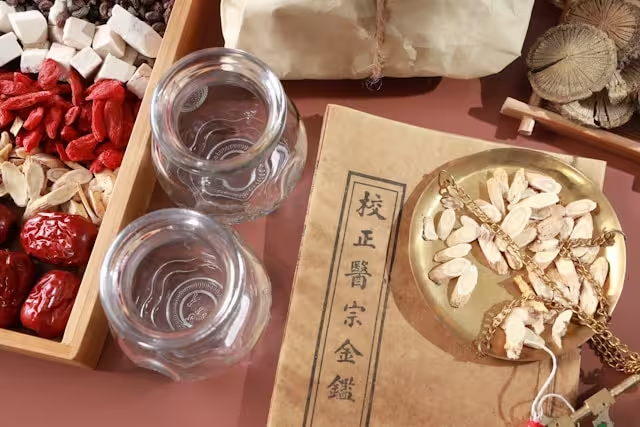
Traditional Chinese Medicine includes a variety of well-known practices such as acupuncture, herbal traditions, cupping, and moxibustion. These methods are commonly used within TCM as part of broader wellness routines.
Each practice is based on traditional principles that focus on balance, relaxation, and overall well-being. People often explore these methods as part of a holistic lifestyle approach rather than as quick solutions.
Acupuncture is one of the most well-known TCM practices, involving the insertion of fine, sterile needles into specific points on the body. These acupuncture points correspond to pathways known as meridians, which are believed to facilitate the flow of Qi, or vital energy. This modality is often used to relieve pain, reduce stress, and treat various health conditions, enhancing overall wellness.
Herbal medicine is another cornerstone of TCM, leveraging the use of plant-based substances to achieve health benefits. TCM practitioners formulate personalized herbal prescriptions based on an individual’s unique constitution and health concerns. Herbal remedies may be taken in various forms such as teas, pills, or tinctures, and they aim to restore balance in the body by addressing underlying imbalances and promoting healing.
Cupping is a treatment method that involves placing special cups on the skin to create suction. This technique can improve circulation, alleviate muscle tension, and remove toxins from the body. Cupping is often used to address respiratory issues, muscle pain, and even inflammation, making it a versatile modality within TCM.
Moxibustion involves the burning of mugwort (moxa) near acupuncture points to warm and invigorate the flow of Qi. This technique is often combined with acupuncture and is particularly beneficial for conditions related to cold and stagnation. By stimulating the acupuncture points with heat, moxibustion aims to strengthen the immune system and promote healing processes.
The diverse array of treatment modalities in TCM exemplifies a holistic approach to health, focusing on the interconnectedness of the body, mind, and spirit. Understanding these methods allows individuals to appreciate the depth of TCM and its commitment to fostering well-being through natural means.
The Role of Herbs in TCM
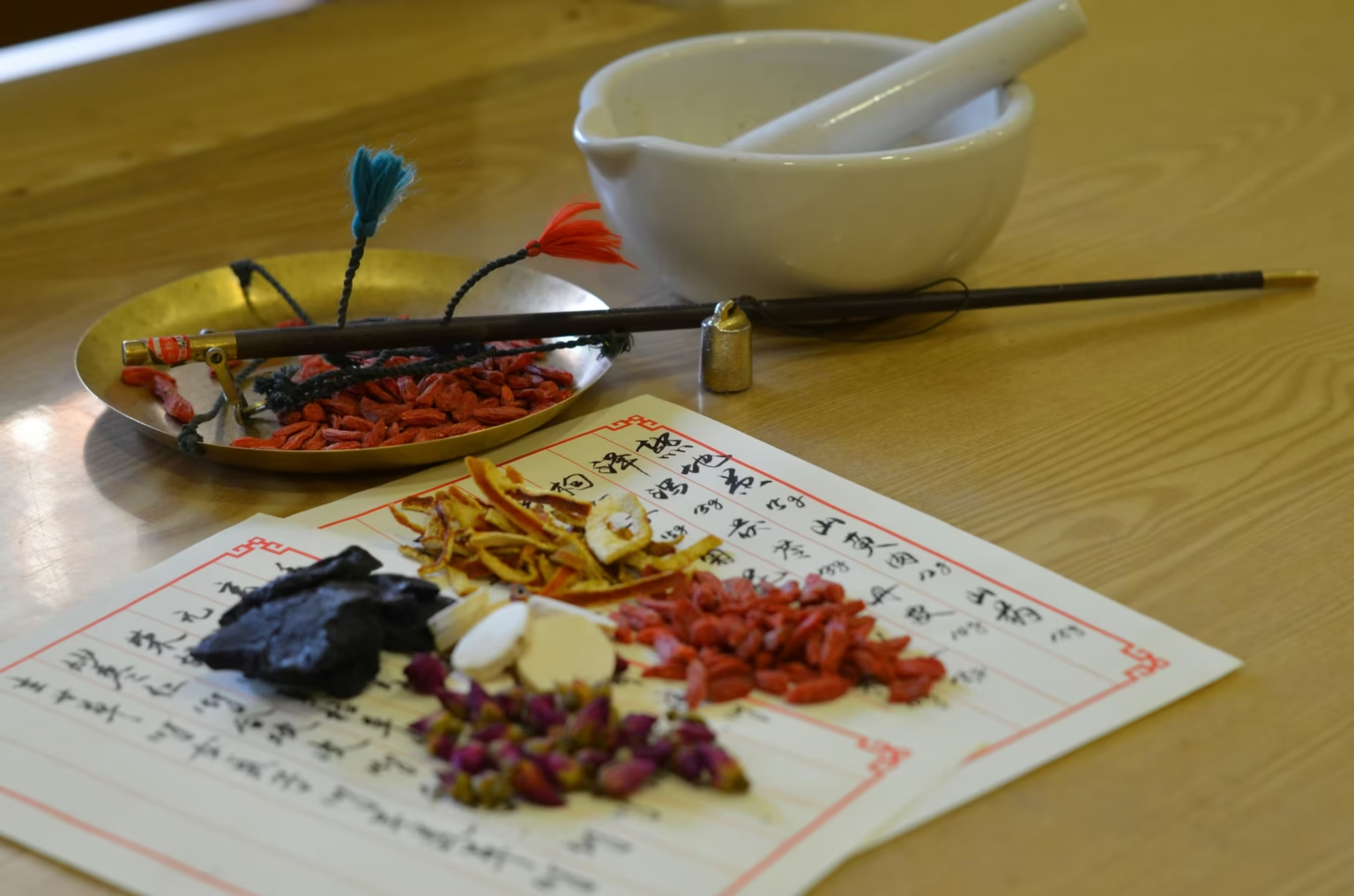
Herbs are an important part of traditional chinese medicine basics and are often used in daily wellness routines. Common ingredients such as ginger, ginseng, and goji berries are widely recognized in traditional practices.
In TCM, herbs are typically combined into formulas based on traditional knowledge and individual preferences. These combinations are used as part of a balanced lifestyle that includes diet, routine, and mindful habits.
The use of herbs in TCM is rooted in cultural traditions and should be approached with awareness and proper guidance.
When formulating herbal prescriptions, TCM practitioners consider several key principles. Firstly, the fundamental concept of yin and yang guides the selection of herbs, as practitioners aim to achieve a harmonious balance between these opposing forces. Additionally, the five elements theory—wood, fire, earth, metal, and water—also influences the combinations. Each herb is thought to correspond to specific elements and organ systems, allowing for a holistic approach to treatment.
Commonly used herbs in TCM include ginseng, known for its invigorating properties; ginger, which is often employed to enhance digestion and combat colds; and goji berries, recognized for their antioxidant benefits. Licorice root is frequently used to harmonize the effects of other herbs in a formulation, illustrating the intricacy involved in herb combinations. Furthermore, each herb is typically categorized based on its flavor, temperature, and action, which all contribute to its therapeutic application.
Through careful consideration of these principles, TCM herbalists can effectively treat ailments ranging from digestive issues to respiratory conditions, as well as support general well-being. This blending of art and science highlights the importance of herbs in TCM, reaffirming their role not only as remedies but also as essential tools for health maintenance.
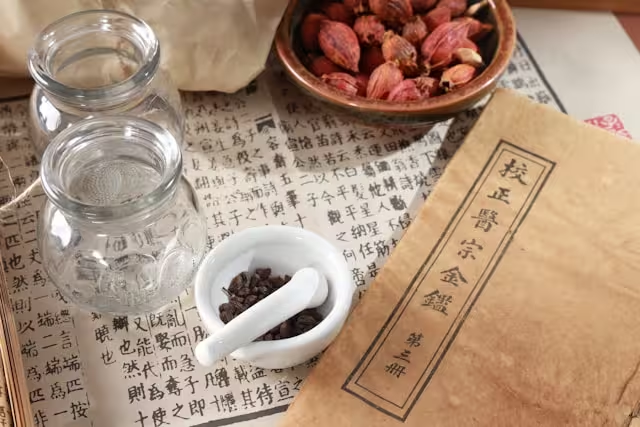
Acupuncture: An Introduction
Acupuncture is one of the most widely known practices in Traditional Chinese Medicine. It involves the use of very fine needles placed at specific points on the body, based on traditional concepts of energy flow.
Many people explore acupuncture as part of a wellness routine focused on relaxation and balance. Experiences can vary from person to person, and it is generally recommended to seek a qualified practitioner for guidance.
The process of acupuncture entails the insertion of thin, sterile needles into designated points on the body. This technique is thought to enhance the flow of Qi, promote healing, and alleviate discomfort. Numerous studies demonstrate the efficacy of acupuncture in treating conditions such as chronic pain, migraines, and digestive issues. However, results can vary from person to person, and individuals are urged to consult healthcare professionals regarding their specific needs.
During an acupuncture session, patients can expect a calm environment, often enhanced by soothing music or aromatherapy. The practitioner will conduct a thorough evaluation, discussing the patient’s medical history and current symptoms before creating a personalized treatment plan. The sensation experienced when needles are inserted can range from a slight prick to a mild tingling, and some individuals report feelings of relaxation during the process.
Despite its long-standing use, many misconceptions surround acupuncture. Some may worry about pain or potential side effects; however, when performed by a licensed practitioner, acupuncture is generally regarded as safe. Side effects might include slight bruising or temporary soreness around the needle sites. Overall, acupuncture offers a holistic approach to health, contributing to well-being and disease prevention.
Integrating TCM with Western Medicine
Traditional Chinese Medicine (TCM) has been practiced for thousands of years and involves a holistic approach to health. It focuses on balancing the body’s energy, or ‘Qi,’ utilizing methods such as acupuncture, herbal medicine, and Tai Chi. As Western medicine continues to evolve, there is a growing recognition of the potential benefits of integrating TCM practices into conventional healthcare settings. This integration can enhance patient care by providing a more comprehensive approach.
Collaboration between TCM practitioners and Western healthcare providers is crucial for creating a well-rounded treatment plan. By acknowledging the strengths of both systems, healthcare professionals can design therapies that address not only the physical symptoms of illness but also the emotional and spiritual well-being of patients. For example, integrating acupuncture into pain management protocols can effectively reduce discomfort and improve the overall treatment experience.
The benefits of combining TCM with Western medicine are manifold. Patients may experience fewer side effects from medications when employing natural treatments from TCM, and they often report higher satisfaction with their care. Furthermore, many TCM principles—such as dietary recommendations—can complement Western diets, promoting a more holistic approach to health.
As the acceptance of TCM continues to rise, it is important for practitioners to maintain open communication channels. Education and awareness about TCM among Western medical providers can foster an environment where both disciplines work in tandem. This collaboration not only enriches the therapeutic options available to patients but also ensures that integrative approaches are based on sound clinical evidence.
Lifestyle Practices in TCM
Traditional Chinese Medicine (TCM) emphasizes a holistic approach to well-being, advocating for a lifestyle that incorporates physical, dietary, and mental practices. Among the fundamental aspects of TCM are Tai Chi and Qi Gong, gentle forms of exercise that promote balance, flexibility, and the smooth flow of Qi (vital energy) within the body. Practicing Tai Chi entails a series of slow, deliberate movements, which not only enhances physical condition but also fosters mental clarity and relaxation. Similarly, Qi Gong combines breath control, meditation, and movement to enhance one’s overall health.
Diet plays a crucial role in TCM, with an emphasis on consuming seasonal and balanced meals that align with the body’s needs. The philosophy advocates for foods that are harmonious with one’s constitution and the environment. For instance, warm foods are preferred in winter for their nourishing qualities, while cooling foods are often consumed in the heat of summer. This dietary balance is believed to help in maintaining health and preventing diseases.
Mindfulness practices, including meditation, are also essential in TCM lifestyle. These practices promote mental well-being, reduce stress, and encourage an awareness of one’s body and its signals. By incorporating breathing exercises and mindfulness into one’s daily routine, individuals can cultivate a deeper connection to their physical and emotional health. Developing such awareness enables better decision-making concerning lifestyle choices, further supporting overall well-being.
Incorporating these TCM lifestyle practices can be transformative. By engaging in Tai Chi, Qi Gong, mindful eating, and meditation, individuals can achieve a balanced state of health, which is integral to the principles of Traditional Chinese Medicine. Rather than viewing health as merely the absence of illness, TCM encourages a proactive approach to personal wellness through these harmonious practices.
Conclusion: Embracing Traditional Chinese Medicine
Understanding traditional chinese medicine basics can help you explore a more balanced and mindful approach to daily living. Rooted in ancient traditions, TCM focuses on harmony, routine, and natural lifestyle practices that continue to interest people around the world.
As a beginner, you can start by learning simple concepts, exploring daily habits, and gradually understanding how these traditional ideas fit into your lifestyle. TCM is best viewed as a long-term approach to balance rather than a quick solution.
Moreover, the efficacy of TCM is supported by centuries of documented practice, demonstrating its potential benefits in treating a variety of conditions, from chronic pain to digestive issues. It encourages a balanced lifestyle that considers the interconnectedness of the body, mind, and environment. Adopting TCM practices may offer individuals a new perspective on their health management and foster a deeper connection to their well-being.
Nevertheless, it is essential to approach TCM not as a replacement for conventional medical treatments but as a complementary option. Before embarking on any TCM therapies, consulting a qualified practitioner is crucial. These professionals can provide personalized guidance, tailor treatments to your specific needs, and ensure a safe integration with other medical care. Embracing Traditional Chinese Medicine can be a rewarding journey towards better health and balance, encouraging individuals to make informed choices for their wellness. We hope this guide serves as a useful introduction as you consider incorporating TCM into your health regimen.
⚠️ Disclaimer
This article is provided for informational and educational purposes only and is not intended as medical advice, diagnosis, or treatment. The content discusses Traditional Chinese Medicine (TCM) as a system of traditional wellness practices and is meant to offer general awareness and understanding.
Traditional Chinese Medicine includes concepts, methods, and approaches that are based on historical and cultural traditions. These practices may not be suitable for everyone, and individual experiences can vary. The information shared should not be used as a substitute for professional medical guidance.
Always consult a qualified healthcare professional or licensed practitioner before making decisions related to your health, lifestyle, or wellness routine. If you have any medical concerns or existing conditions, seek appropriate professional advice.
The website Curezone does not make any claims regarding the effectiveness of any practices mentioned and does not promote or guarantee specific outcomes.
❓ People Also Ask (PAA)
What is Traditional Chinese Medicine in simple terms?
Traditional Chinese Medicine (TCM) is a traditional wellness system that focuses on balance and harmony in the body. It includes natural practices and lifestyle approaches that support overall well-being.
How does Traditional Chinese Medicine work?
Traditional Chinese Medicine works by focusing on balance within the body and daily habits. It uses concepts like energy flow and harmony to guide lifestyle choices and wellness practices.
What are the basic principles of Traditional Chinese Medicine?
The basic principles of TCM include balance, harmony, and the flow of energy often referred to as Qi. It also uses ideas like Yin and Yang to explain how different elements interact in the body.
What are common practices in Traditional Chinese Medicine?
Common practices in TCM include acupuncture, herbal traditions, movement exercises like Tai Chi, and lifestyle routines. These are used as part of a broader approach to wellness.
Is Traditional Chinese Medicine a lifestyle or a treatment?
Traditional Chinese Medicine is generally considered a lifestyle approach. It focuses on daily habits, balance, and long-term wellness rather than quick solutions.
Can beginners follow Traditional Chinese Medicine easily?
Yes, beginners can explore Traditional Chinese Medicine by starting with simple habits such as mindful routines, balanced meals, and learning basic concepts of harmony and balance.
Is Traditional Chinese Medicine still used today?
Yes, Traditional Chinese Medicine is still widely practiced and has gained global attention. Many people explore it as part of a natural and holistic lifestyle.