



Natural Face Masks for Clear and Fresh Skin
Natural face masks are one of the easiest and most effective ways to care for your skin using ingredients you already have at home. Instead of relying on chemical-based products, many people are now choosing simple DIY methods that are gentle, affordable, and easy to follow.
In this guide, you’ll learn how to use natural face masks step by step, understand why they work, and discover five simple recipes you can start using today for clearer and fresher-looking skin.
What Are Natural Face Masks?
Natural face masks are skincare mixtures made from plant-based or kitchen ingredients such as honey, yogurt, oatmeal, and fruits. These masks are applied to the face for a short time and then rinsed off to help cleanse, refresh, and improve the overall appearance of the skin.
The key idea behind natural face masks is simplicity. You use fewer ingredients, avoid harsh chemicals, and focus on consistency rather than quick fixes.
Why Choose Natural Face Masks?
Before learning the recipes, it’s important to understand why natural face masks are widely used:
- Easy to prepare at home
- Budget-friendly
- Made with familiar ingredients
- Can be customized for different skin types
- Suitable for simple, regular skincare routines
When used properly, natural face masks can become a reliable part of your weekly skincare routine.

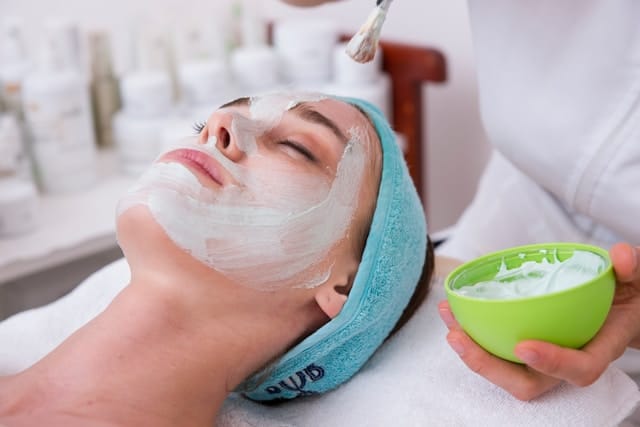
How to Use Natural Face Masks (Step-by-Step)
To get the best results, follow this simple process when applying natural face masks:
- Cleanse your face
Remove dirt and oil using a gentle cleanser. - Apply the mask evenly
Use clean fingers or a brush to spread the mask. - Leave it on for 10–15 minutes
Avoid letting it dry too much. - Rinse with lukewarm water
Gently wash it off without scrubbing. - Pat dry and moisturize
Lock in hydration after removing the mask.
👉 Use natural face masks 2–3 times per week for consistent results.
5 Simple DIY Natural Face Masks
Now let’s learn five easy and effective natural face masks you can make at home.

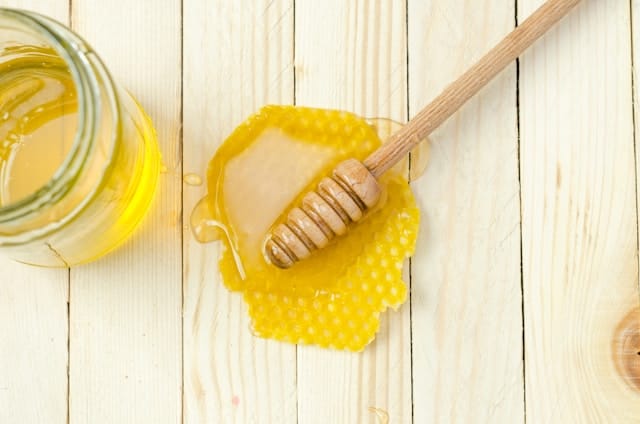
1. Honey and Lemon Face Mask
Ingredients:
- 1 tablespoon honey
- A few drops of lemon juice
How to use:
Mix both ingredients and apply evenly to your face. Leave for 10 minutes, then rinse.
Why it works:
This is one of the most popular natural face masks because it combines cleansing and refreshing properties in a simple way.
2. Oatmeal and Yogurt Face Mask
Ingredients:
- 2 tablespoons oatmeal
- 1 tablespoon yogurt
How to use:
Mix into a paste and apply gently. Leave for 10–15 minutes before rinsing.
Why it works:
Oatmeal helps create a smooth texture, while yogurt adds a refreshing feel, making this one of the most beginner-friendly natural face masks.
3. Aloe Vera Face Mask
Ingredients:
- Fresh aloe vera gel
How to use:
Apply directly to your face and leave it on for 10–15 minutes.
Why it works:
Aloe vera is widely used in natural face masks because of its light and soothing texture.
4. Turmeric and Milk Face Mask
Ingredients:
- 1 teaspoon turmeric
- 2 tablespoons milk
How to use:
Mix well and apply a thin layer. Rinse after 10 minutes.
Why it works:
This is a traditional option among natural face masks, often used for maintaining a fresh and bright appearance.
5. Banana and Honey Face Mask
Ingredients:
- 1 ripe banana
- 1 tablespoon honey
How to use:
Mash the banana, mix with honey, and apply evenly. Leave for 15 minutes before rinsing.
Why it works:
This combination creates a smooth, easy-to-apply mixture, making it one of the simplest natural face masks for beginners.
Tips for Best Results
To get the most from your natural face masks, keep these tips in mind:
- Always use fresh ingredients
- Avoid overusing masks (2–3 times per week is enough)
- Keep your routine consistent
- Apply masks on clean skin
- Follow with a moisturizer
Common Mistakes to Avoid
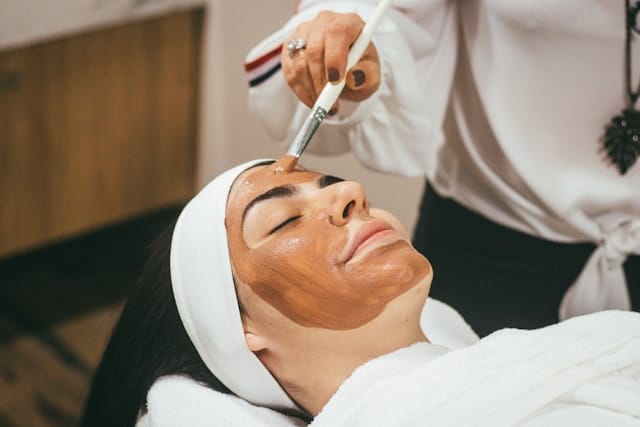
Even though natural face masks are simple, avoid these common mistakes:
- Using too many ingredients at once
- Leaving the mask on for too long
- Skipping cleansing before application
- Not testing new ingredients first
Keeping your routine simple is the key to better results.
Quick Natural Face Mask Ideas
- Honey + yogurt
- Aloe vera gel
- Banana + honey
- Oatmeal + milk
👉 Simple combinations are often the most effective when using natural face masks.
Conclusion
Using natural face masks is a simple and practical way to maintain clear and fresh-looking skin. With easy-to-follow steps and ingredients you can find at home, these DIY methods are perfect for anyone looking to build a consistent skincare routine.
Start with one or two masks, stay consistent, and adjust based on what works best for you. Over time, natural face masks can become an essential part of your skincare habits.
Disclaimer
This content is for informational purposes only and is not intended as professional or medical advice. Individual results may vary. Always perform a patch test before trying any new ingredient. If you have specific skin concerns, consult a qualified professional before applying any skincare routine.
People Also Ask (PAA)
How can I make natural face masks at home?
You can make natural face masks at home by combining simple ingredients like honey, yogurt, fruits, or oatmeal. Mix them into a smooth paste and apply to clean skin for a short period before rinsing.
How often should I use natural face masks?
Natural face masks are usually applied two to three times per week as part of a regular skincare routine. Consistency is more important than frequent use.
Which ingredients are commonly used in natural face masks?
Common ingredients include honey, aloe vera, oatmeal, yogurt, banana, and turmeric. These are widely used because they are easy to find and simple to prepare.
Are natural face masks suitable for beginners?
Yes, natural face masks are simple to use and require minimal preparation, making them suitable for beginners who want an easy skincare routine.
Can I use natural face masks daily?
Natural face masks are generally not used daily. Most routines include using them a few times per week to maintain balance and consistency.
What makes natural face masks different from store products?
Natural face masks are made from simple ingredients without complex processing, while store products often contain multiple formulated components.