


🌿 Chamomile: A Complete Guide to Benefits, Uses, Tea Preparation, and Growing at Home
Introduction
Chamomile is one of the most well-known herbs in the world, valued for its gentle nature and wide range of traditional uses. For centuries, it has been used in different cultures as part of daily wellness routines, especially in the form of herbal tea.
In this guide, we will explore chamomile benefits in detail — including its history, potential benefits, how to prepare chamomile tea, and how you can grow it at home. This article is designed to provide clear, educational, and practical information for beginners and those interested in natural wellness.
🌼 What Is Chamomile?
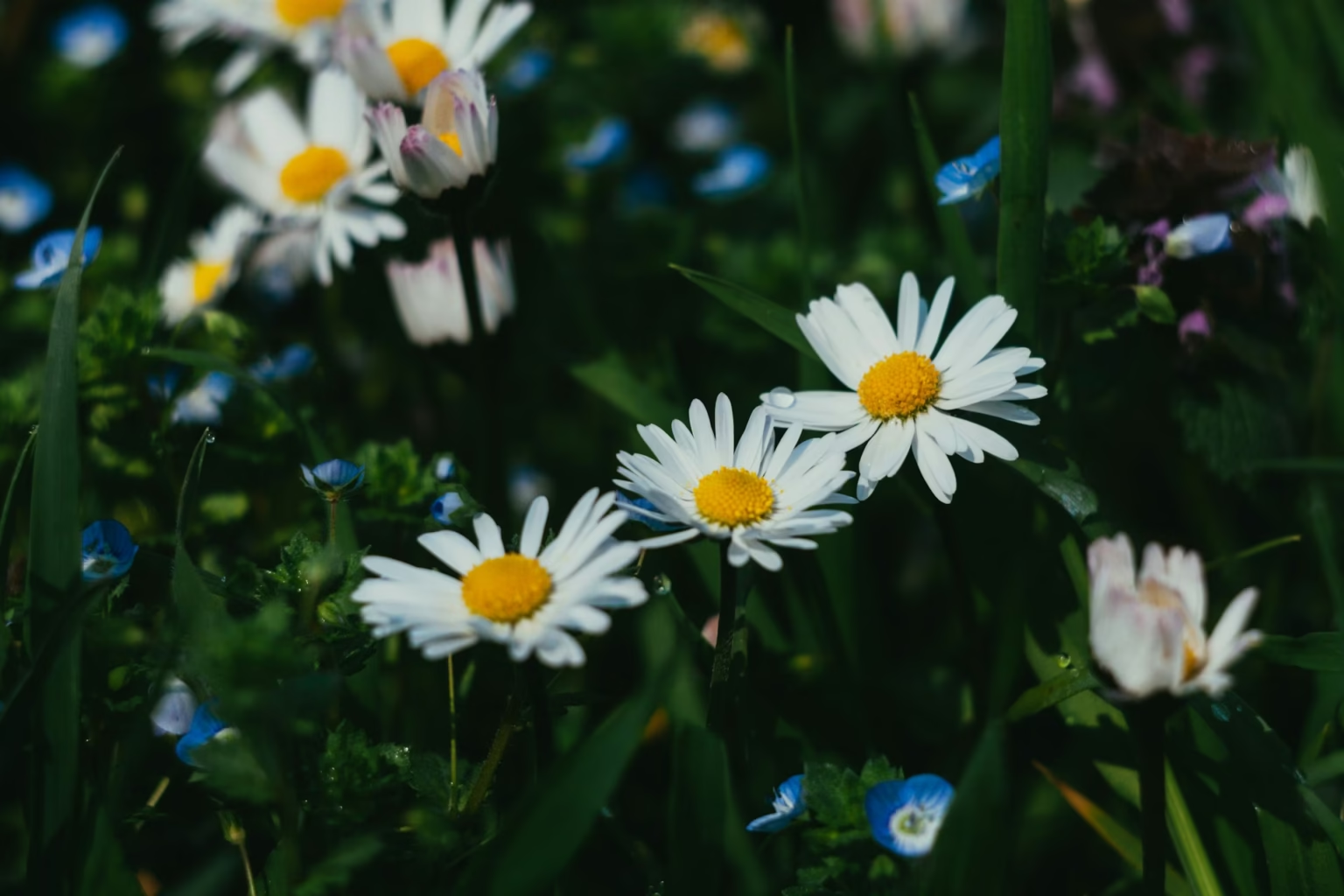
Chamomile is a flowering herb that belongs to the daisy family. The two most commonly used types are:
- German chamomile
- Roman chamomile
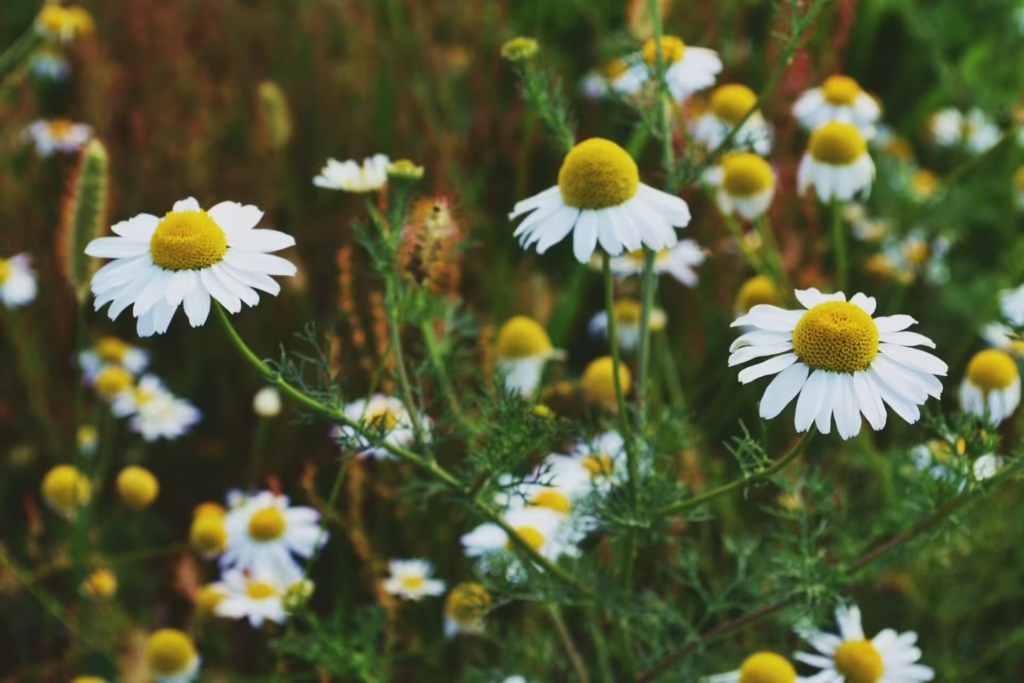
Both varieties are widely used in herbal teas and wellness practices. Chamomile flowers are small, white, and daisy-like, with a yellow center, and are known for their mild, pleasant aroma.
📜 History of Chamomile

Chamomile has a long history that dates back thousands of years.
- Ancient Egyptians used chamomile in traditional practices and valued it highly
- Greeks and Romans used it for relaxation and daily wellness
- In Europe, chamomile became a common household herb for tea and natural use
Over time, chamomile became one of the most popular herbal remedies worldwide due to its simplicity and versatility.
🌿 Chamomile Benefits for Wellness
Chamomile is often included in discussions about natural wellness. While results may vary, it is traditionally associated with the following supportive benefits:
1. Supports Relaxation
Chamomile tea is commonly used as part of a calming evening routine. Many people drink it before bedtime to help unwind after a long day.
2. May Help Improve Sleep Quality
Chamomile is often included in bedtime routines. Its calming nature may help support better sleep habits when combined with a consistent routine.
3. Supports Digestive Comfort
Chamomile tea is sometimes used after meals as part of a routine that supports digestive comfort.
4. Helps Promote a Calm Mind
The gentle aroma and warmth of chamomile tea may help create a relaxing environment and reduce daily stress.
5. General Wellness Support
Chamomile is often included in herbal wellness routines as part of a balanced lifestyle that includes healthy eating, sleep, and stress management.
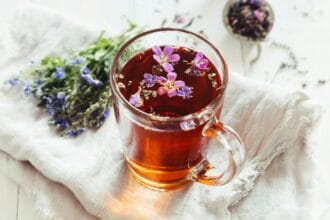
🍵 How to Make Chamomile Tea (Easy Method)

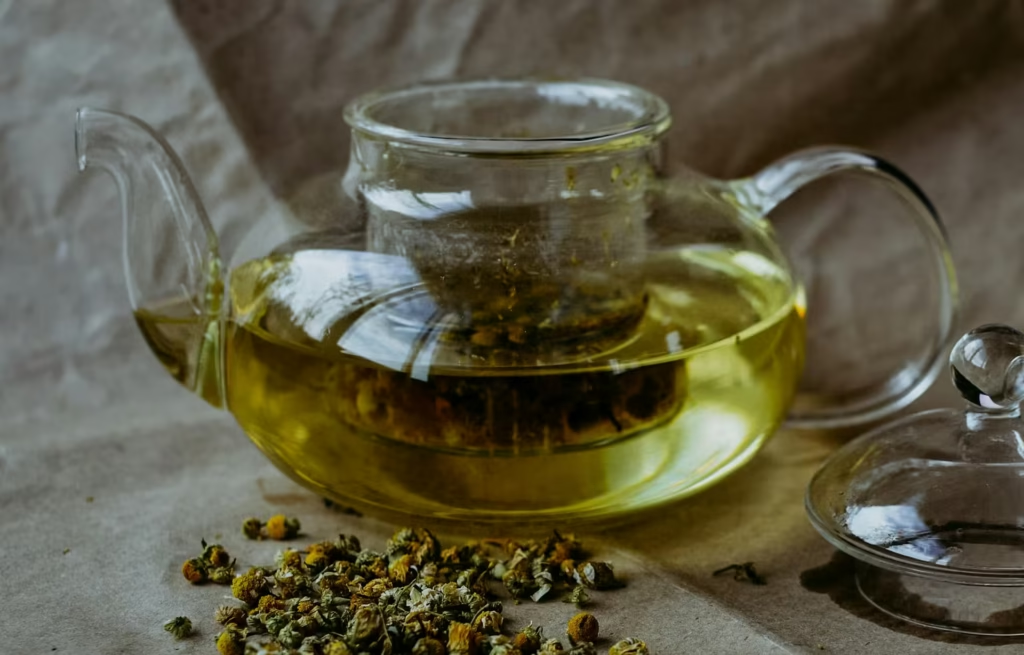
Preparing chamomile tea at home is simple and requires only a few steps.
Ingredients:
- 1–2 teaspoons dried chamomile flowers (or 1 tea bag)
- 1 cup hot water
Instructions:
- Boil fresh water
- Add chamomile flowers to a cup
- Pour hot water over the flowers
- Cover and let it steep for 5–10 minutes
- Strain (if using loose flowers)
- Enjoy warm
Optional:
- Add honey for sweetness
- Add lemon for flavor
Drinking chamomile tea in the evening is a common habit for relaxation.
🌱 How to Grow Chamomile at Home
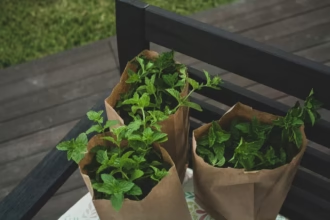
Chamomile is one of the easiest herbs to grow, making it perfect for beginners.
🌿 Can You Grow Chamomile at Home?
Yes, chamomile grows well in:
- Gardens
- Pots
- Balconies
It is a low-maintenance plant and suitable for small spaces.
☀️ Sunlight Requirements
Chamomile grows best with:
- Full sun (4–6 hours daily)
- Light partial shade (especially in hot climates)
👉 Too much shade may reduce flower growth.
🌡️ Best Weather for Chamomile
Chamomile prefers:
- Mild to warm climates
- Temperatures between 15°C – 25°C
It can tolerate cooler weather but grows best in moderate conditions.
💧 Watering Needs
- Keep soil slightly moist
- Avoid overwatering
- Well-drained soil is important
Chamomile does not like waterlogged roots.
🌱 Soil Requirements
- Light, well-drained soil
- Slightly sandy soil works well
- Avoid heavy, compact soil
🌼 Growing from Seeds
Steps:
- Scatter seeds lightly on soil
- Do not bury deeply (needs light to grow)
- Water gently
- Seeds usually sprout in 1–2 weeks
✂️ Harvesting Chamomile
- Harvest flowers when fully open
- Pick in the morning for best quality
- Dry flowers in a cool, dark place
These dried flowers can be used for tea.
🏡 Tips for Growing Indoors
- Use a pot with drainage holes
- Place near a sunny window
- Avoid overwatering
- Rotate the plant for even sunlight
⚠️ Important Considerations
- Chamomile is generally gentle, but not suitable for everyone
- Some people may be sensitive to plants in the daisy family
- Always use herbs in moderation
If you have allergies or health conditions, consult a professional before use.
🌿 Chamomile in Daily Life
Chamomile can be included in simple daily habits such as:
- Evening tea routine
- Relaxation time
- Herbal lifestyle practices
Small, consistent habits often bring the best long-term results.
Conclusion
Chamomile is a simple yet valuable herb that has been used for generations. From its calming tea to its easy cultivation at home, it offers a practical way to explore natural wellness.
By understanding how to use chamomile safely and effectively, you can incorporate it into your daily routine in a balanced and sustainable way.
Sources & General References
- Educational materials on herbal plants and traditional uses
- Publicly available resources on plant care and home gardening
- General wellness and nutrition guidelines
Disclaimer
This content is for informational purposes only and should not be considered medical advice. It is not intended to diagnose, treat, cure, or prevent any condition. Always consult a qualified professional before using herbal products, especially if you have existing health conditions.