

How to Achieve Balance in Mind and Body
Life moves at a relentless pace, and the demands on your time and energy seem to multiply daily. Between work pressures, personal responsibilities, and the constant hum of digital notifications, finding equilibrium can feel impossible. Yet balance isn’t a distant destination—it’s a daily practice, a quiet negotiation between effort and recovery, focus and rest. The mind and body aren’t separate entities to be managed independently; they’re deeply interconnected systems that thrive when treated as a whole. When one is out of sync, the other follows. This guide walks you through the subtle art of aligning your mental clarity with your physical vitality, helping you build a life that feels both purposeful and sustainable.
Balance isn’t about perfection or the absence of stress. It’s about building resilience so you can meet challenges without collapsing under their weight. Whether you’re juggling a career, family, or personal growth, or simply trying to slow down in a fast-moving world, the principles shared here will help you create a rhythm that sustains you—not just for a week, but for the long haul. Let’s begin by understanding what balance really means and why the mind and body need each other to function at their best.
Why Balance Is More Than a Trend
In the rush to accomplish more, “balance” has become a buzzword—often tossed around in wellness circles and workplace seminars. But beneath the trend lies a biological necessity. Your brain doesn’t operate in isolation. When you sit for hours without movement, your circulation slows, oxygen delivery drops, and mental fog sets in. Conversely, when your mind is in a constant state of worry or overstimulation, your muscles tense, digestion falters, and sleep becomes elusive. These aren’t coincidences; they’re biological feedback loops. Ignoring one aspect throws the other out of alignment.
Balance isn’t a luxury—it’s a survival mechanism. Consider the human body’s stress response: adrenaline and cortisol prepare you to react to danger, but prolonged exposure wears down both mind and body. Chronic stress is linked to weakened immunity, poor memory, and high blood pressure. Yet, periods of calm and rhythmic activity allow the nervous system to reset. Studies have long shown that people who integrate regular rest and movement into their routines report better emotional regulation and physical endurance. Balance acts like a buffer, giving your systems time to recover and recalibrate before the next challenge arises.
Think of your body as a finely tuned instrument. If you only play the high notes without pause, the strings snap. Similarly, if you push your mind to process endless tasks without mental rest, cognition declines. Balance allows each system to contribute to a symphony rather than demand solo performances that lead to burnout. The goal isn’t to eliminate stress entirely but to create patterns that allow recovery as naturally as you breathe. That shift—from relentless pushing to intentional pacing—is where true balance begins.
The Science of Mind-Body Connection
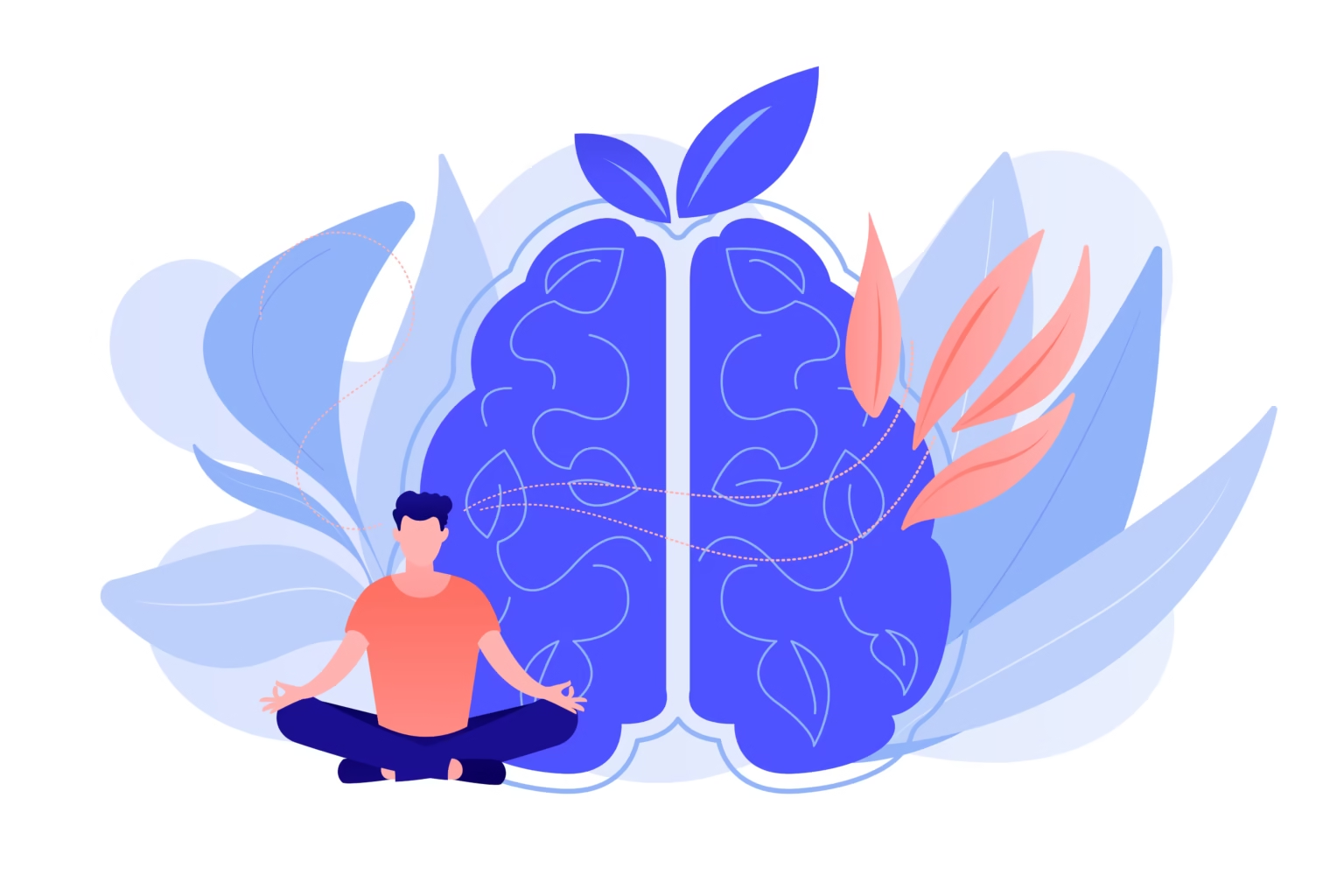
The idea that thoughts influence physical health and vice versa isn’t new-age fluff—it’s grounded in neuroanatomy and physiology. Your brain and body communicate through a complex network called the nervous system, primarily via the vagus nerve. This nerve acts like a two-way highway, sending signals from your gut to your brain and back. That’s why a sudden surge of anxiety can make your stomach clench, or why laughter can ease muscle tightness after a long day. The more you understand this connection, the more power you have to influence it.
Neurotransmitters like serotonin and dopamine don’t live only in the brain. In fact, about 90% of serotonin is produced in the gut. That’s why diet and digestion have such a strong effect on mood. When your gut microbiome is healthy, your brain receives steady doses of calming chemicals. But when gut health falters—due to poor diet, stress, or antibiotics—the brain may feel foggy, anxious, or irritable. Similarly, regular movement doesn’t just build muscle; it increases blood flow to the brain, enhancing focus and reducing inflammation. Even breathing patterns can shift your state: slow, deep breaths activate the parasympathetic nervous system, the body’s “rest and restore” mode. This is why yoga and meditation aren’t just feel-good rituals—they’re physiological interventions that recalibrate your entire system.
But science also shows us where breakdowns happen. Prolonged stress rewires the brain’s alarm system, making you more reactive and less resilient. Sleep is another critical piece: when you skimp on rest, the body produces more stress hormones, and the brain struggles to process emotions, leading to heightened anxiety. The mind-body connection isn’t mystical—it’s mechanical. Every thought you entertain, every meal you eat, every step you take sends signals through this network. Understanding this gives you a map: instead of trying to fix symptoms one by one, you can address the root by harmonizing actions, environments, and habits.
How Stress Becomes a Vicious Cycle
Stress isn’t the enemy when it’s temporary and followed by recovery. But when demands outweigh your capacity, the body stays in a prolonged state of alert. During stress, your heart rate increases, muscles tighten, and digestive processes shut down. These are designed to help you react quickly—but they weren’t meant to last. Over time, the brain keeps producing cortisol, which disrupts sleep and weakens immune function. Meanwhile, the body’s inflammation levels rise, gnawing at joints and tissues. This creates a feedback loop: stress worsens physical symptoms, and physical discomfort feeds back into mental tension.
For example, someone under chronic work pressure might develop lower back pain from sitting too long. The pain becomes a constant reminder of stress, which then amplifies their frustration and drains their energy. They might reach for caffeine or sugar to cope—only to feel even more jittery and unfocused. That fuels more stress, and the cycle continues. Breaking it requires interrupting the loop not with sheer willpower, but with small, intentional choices that restore rhythm. This could mean stepping away from the desk for a five-minute stretch, drinking water instead of another coffee, or taking a brief walk outside. These aren’t luxuries—they’re biological necessities disguised as pauses.
Why Rest Is Not Laziness
In productivity-obsessed cultures, rest is often dismissed as unproductive time. But rest isn’t the opposite of effort—it’s its partner. During sleep, your brain consolidates memories, clears toxins through the glymphatic system, and strengthens emotional regulation. Even short pauses during the day allow the prefrontal cortex—the part of your brain responsible for focus and decision-making—to recover. Without rest, your attention span shrinks, impulsivity rises, and resilience plummets. Rest isn’t a reward for hard work; it’s a strategic tool to sustain it.
Animals don’t work themselves to exhaustion—they rest when tired. Humans, however, have glorified constant busyness, confusing busyness with value. But the most productive individuals aren’t the ones who work the longest hours—they’re the ones who know when to disengage and reset. Consider the athlete who trains intensely but schedules recovery days, or the writer who takes long walks to let ideas incubate. Rest is where integration happens: new ideas emerge, emotions settle, and the body repairs itself. True progress isn’t made during the grind; it’s made during the pauses.
Practical Steps to Harmonize Body and Mind
The path to balance begins with small, daily habits that reinforce each other. It’s not about overhauling your life in a weekend—it’s about weaving in practices that gradually shift your baseline. Start by noticing where imbalance shows up in your life. Do you skip meals because you’re busy? Do you scroll in bed until you’re exhausted? Does your mind race when your body is still? These are clues. From there, introduce one or two new habits at a time and observe how your energy and clarity respond.
Remember: balance isn’t a fixed state. It’s a dynamic rhythm. Some days you’ll be more physical, others more mental. The goal isn’t perfection—it’s awareness and gentle recalibration. As you read through these steps, notice which ones resonate with your current lifestyle. You don’t need to do everything at once. Master one, then layer in another. Over time, these practices will form a supportive ecosystem where your mind and body act as allies rather than adversaries.
Step 1: Establish a Rhythmic Routine
Routine isn’t about rigidity—it’s about rhythm. A daily rhythm creates predictability for the nervous system, reducing the mental load of decision-making. When you know when to move, eat, rest, and focus, your body and mind can synchronize more easily. Begin with anchoring points: waking up, meals, transitions between tasks, and bedtime. These are natural cues to pause and reset.
For example, try setting an alarm for hydration every two hours—even if it’s just sips of water. Or schedule a 10-minute “body check-in” mid-morning: close your eyes, feel your feet on the floor, and notice if your shoulders are tense. These micro-pauses prevent small tensions from becoming chronic issues. Over time, these signals train your brain to expect balance rather than react to chaos.
But avoid turning rhythm into rigidity. If your morning walk gets interrupted, don’t panic—adjust and recalibrate. The goal is to create a structure that works for you, not one that adds pressure. The mind needs movement to think clearly, and the body needs rest to recover. Rhythm brings both into a gentle dance.
Step 2: Move with Purpose
Exercise isn’t just about burning calories or building strength—it’s a communication tool between mind and body. When you move intentionally, you signal to your brain that you’re alive and responsive. But modern life often reduces movement to isolated sessions: a gym workout, a run, a yoga class. While these are valuable, balance requires movement spread throughout the day.
Try integrating “micro-movements” every hour: stand up and stretch, walk to a window, or do a few shoulder rolls. These aren’t workouts—just gentle reminders to your body that you’re not sedentary. Over time, this builds physical resilience and mental clarity. Even better, combine movement with mindfulness: notice how your breath changes when you walk fast, or how your posture shifts when you stand tall. These subtle connections deepen your awareness of the mind-body dialogue.
If energy is low, start with just five minutes. Walk slowly, breathe deeply, and feel your body in space. Don’t measure intensity—measure presence. Movement isn’t about punishment; it’s about attunement. When your body feels supported, your mind follows.
Step 3: Nourish with Intention
Food isn’t just fuel—it’s information. Every meal sends biochemical signals to your brain and body, influencing mood, energy, and even long-term health. Yet most people eat hurriedly, distractedly, or based on cravings rather than cues from the body. This disconnect can lead to energy crashes, inflammation, and irritability.
Start by eating mindfully, even once a day. Put your phone away, chew slowly, and notice flavors and textures. This practice isn’t about perfection—it’s about presence. When you eat with awareness, you digest better, absorb nutrients more fully, and feel satisfied sooner. Pair this with food choices that support both mind and body: lean proteins to steady energy, complex carbs for sustained fuel, and healthy fats for brain function. Hydration matters too—even mild dehydration can cause brain fog and fatigue. Aim for at least half your body weight (in pounds) in ounces of water daily, and add electrolytes if needed.
Remember, food is medicine—but not in the way supplements or fad diets promise. It’s medicine in the sense that it supports your natural healing capacity. Choose foods that make you feel steady, not stuffed. Notice how your body responds to different meals. That awareness is more valuable than any diet plan.
Step 4: Breathe to Regulate
Your breath is the only autonomic process you can consciously control. It’s your direct line to the nervous system. When you inhale quickly and shallowly, you activate the stress response. When you exhale slowly and fully, you activate the relaxation response. This is why breathing exercises aren’t just relaxation tools—they’re physiological interventions.
Try a simple four-second inhale, four-second hold, six-second exhale for one minute. Feel your belly rise and fall. This pattern signals safety to your brain, reducing cortisol and lowering blood pressure. Use this when you feel overwhelmed, before sleep, or even while waiting in line. Over time, this practice trains your body to shift out of stress mode more easily.
You don’t need a formal practice to benefit. Just pause and breathe deeply a few times a day. It’s free, portable, and powerful. Breath is the bridge between mind and body—use it often.
Step 5: Create Digital Boundaries
Digital devices don’t just compete for attention—they hijack your nervous system. Constant notifications, endless scrolling, and the pressure to respond immediately keep your brain in a heightened state of alert. This erodes focus, disrupts sleep, and increases anxiety. Balance in the digital age isn’t about avoiding technology—it’s about using it intentionally.
Start with small limits: no screens for the first 30 minutes after waking, no devices during meals, or a one-hour “no-phone” window before bed. Turn off non-essential notifications and set your phone to grayscale mode at night to reduce stimulation. These changes might feel subtle, but they send a powerful message to your brain: slow down, rest, and reconnect with the present moment.
If you work digitally, schedule focused blocks with no interruptions. Use tools like “Do Not Disturb” or apps that block distracting sites. Treat focus like a muscle—it weakens when overused and strengthens with rest. Your attention is a resource. Guard it as carefully as your time.
Step 6: Prioritize Sleep
Sleep is the cornerstone of balance. During deep sleep, your brain processes emotions, consolidates memories, and clears toxic proteins linked to Alzheimer’s. Without enough quality sleep, your stress response goes haywire, your immune system weakens, and your ability to focus plummets. Yet many people treat sleep as a negotiable luxury. It’s not.
Start by setting a consistent bedtime and wake time, even on weekends. Create a wind-down routine: dim lights an hour before bed, avoid screens, and try a warm shower or gentle stretching. Keep your bedroom cool, dark, and quiet. Avoid caffeine after lunch and heavy meals close to bedtime. If sleep is elusive, try a mindfulness practice or breathing exercise to quiet the mind. Sleep isn’t passive—it’s an active state of restoration. Treat it with reverence.
Step 7: Cultivate Sensory Awareness
Your senses are portals to the present moment. When you ground yourself in sensory experience—feeling your feet on the floor, hearing birds outside, smelling fresh air—you interrupt mental loops of worry and planning. This practice, called sensory grounding, is a powerful tool for reducing anxiety and restoring balance.
Try it now: pause and notice five things you can see, four things you can touch, three things you can hear, two things you can smell, and one thing you can taste. This simple exercise shifts your nervous system out of threat mode and into safety mode. Use it whenever you feel scattered or stressed. Over time, this habit rewires your brain to return to the present more easily.
Step 8: Practice Gratitude
Gratitude isn’t just a feel-good practice—it’s a neurological reset. When you focus on what you appreciate, your brain releases dopamine and serotonin, chemicals associated with calm and contentment. It also reduces cortisol and activates the parasympathetic nervous system. But gratitude isn’t about forcing positivity; it’s about noticing small moments of goodness.
Try keeping a daily gratitude journal—just three sentences about something that went well that day. It could be a warm cup of tea, a kind text, or the sun on your arm. Over time, this rewires your brain to scan for positives instead of threats. Gratitude doesn’t erase challenges, but it shifts your perspective and strengthens resilience. It’s a habit that builds emotional balance one small moment at a time.
Common Mistakes to Avoid
Balance isn’t about doing everything perfectly—it’s about avoiding behaviors that sabotage your effort. One of the biggest pitfalls is treating balance as a destination rather than a practice. You don’t “achieve” balance once and keep it forever. Life changes, seasons shift, and so must your approach. Another mistake is conflating balance with weakness, as if slowing down means failing. In truth, balance is the foundation of sustained success.
Many people also mistake balance for rigidity. They create elaborate routines with strict timelines, then feel guilty when life interrupts them. Balance isn’t about control—it’s about flexibility and presence. Another common error is ignoring the body until it forces attention, such as with pain or illness. By then, the system is already strained. Balance works best as prevention, not repair.
Mistake 1: Seeing Balance as a Goal
Balance isn’t a trophy to collect—it’s a rhythm to maintain. If you’re constantly chasing “perfect balance,” you’ll always feel behind. Life isn’t a spreadsheet where you allocate time perfectly between work, family, and self-care. Balance is about integration: finding ways to fold nourishment into your day without adding extra steps. It’s not about adding more to your plate—it’s about arranging what’s already there differently.
For example, instead of scheduling a separate meditation session, try mindful breathing while commuting or washing dishes. Instead of forcing a long walk when you’re tired, take a short stroll with full presence. These aren’t shortcuts—they’re reimaginations of balance as a way of being, not an endpoint.
Mistake 2: Ignoring Body Cues
Your body speaks before it screams. A yawn means fatigue, a clenched jaw means tension, a racing heart means stress. Yet many people override these signals with caffeine, sugar, or sheer willpower. This leads to breakdowns: burnout, injury, or illness. Listening to your body isn’t indulgent—it’s intelligent. It’s how your body communicates its needs before they become emergencies.
Start small: when you feel stiff, stretch. When you’re hungry, eat. When your mind is foggy, step outside. These aren’t indulgences—they’re information. Your body isn’t a machine to
FAQ
What is the most important thing to understand about how to achieve balance in mind and body?
The most important point is to focus on practical context, not isolated facts. A useful article should explain what matters, why it matters, and how the reader can apply the information correctly.
How can readers use this information effectively?
Readers should start with the main ideas, compare them with their own situation, and then apply the most relevant advice step by step.
What common mistake should readers avoid?
The most common mistake is treating a broad topic as one simple answer. Better results come from checking details, understanding context, and avoiding unsupported claims.
Is this topic likely to change over time?
Yes, some details can change, especially statistics, recent events, product information, and public profiles. Readers should verify time-sensitive facts before making decisions.
Conclusion
A strong result depends on applying the main ideas consistently rather than treating them as one-time advice. Use the guidance above as a practical reference, focus on the details that matter most for your situation, and keep improving your approach over time. The most useful next step is to review the key points, choose one action related to how to achieve balance in mind and body, and put it into practice with care.
Disclaimer
The information provided on this website is for educational and informational purposes only and is not intended as medical advice, diagnosis, or treatment.
Always seek the advice of a qualified healthcare professional before making any changes to your diet, lifestyle, or health routine. Never disregard professional medical advice or delay seeking it because of something you have read on this website.
The content on this site may discuss natural remedies, detox methods, and alternative health approaches that are not universally accepted by the medical community. Individual results may vary.
By using this website, you acknowledge that you are responsible for your own health decisions.